We are processing your request.
Please, don’t close or refresh the page.
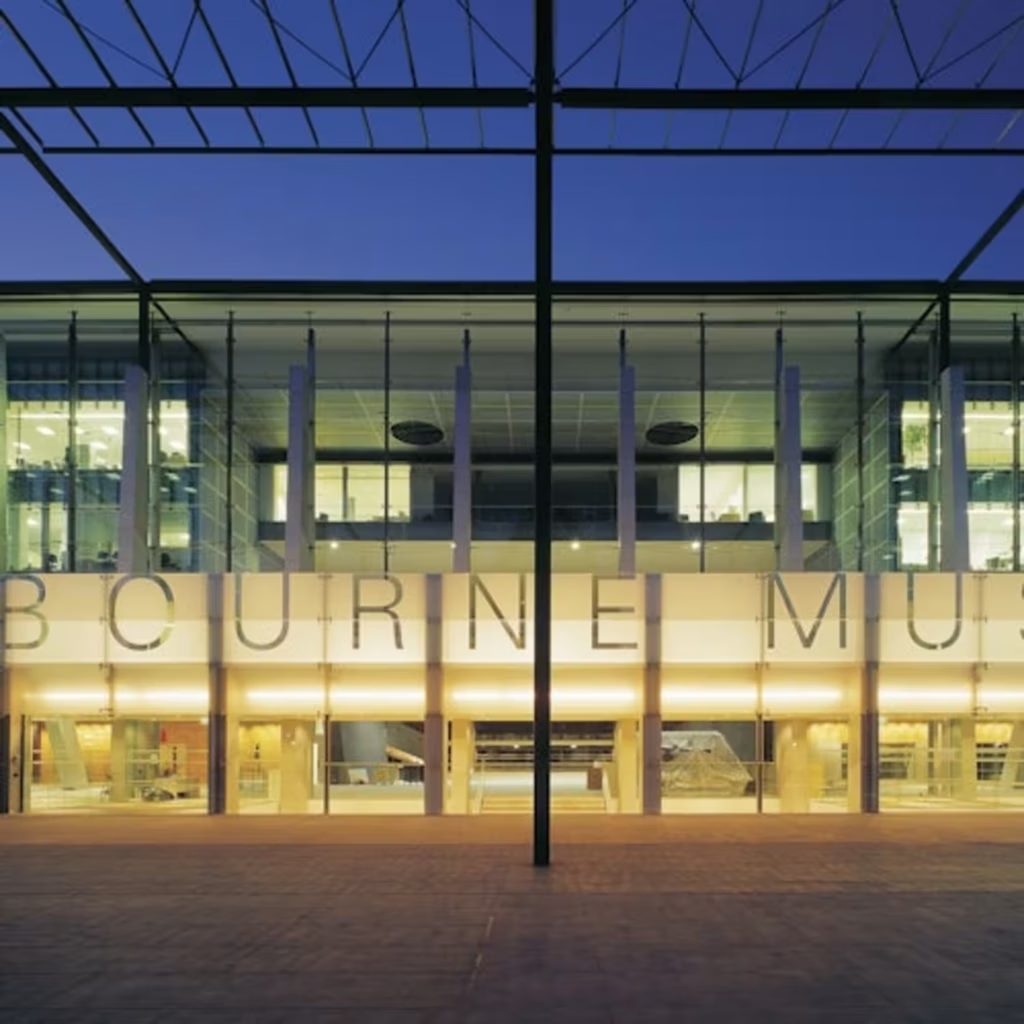
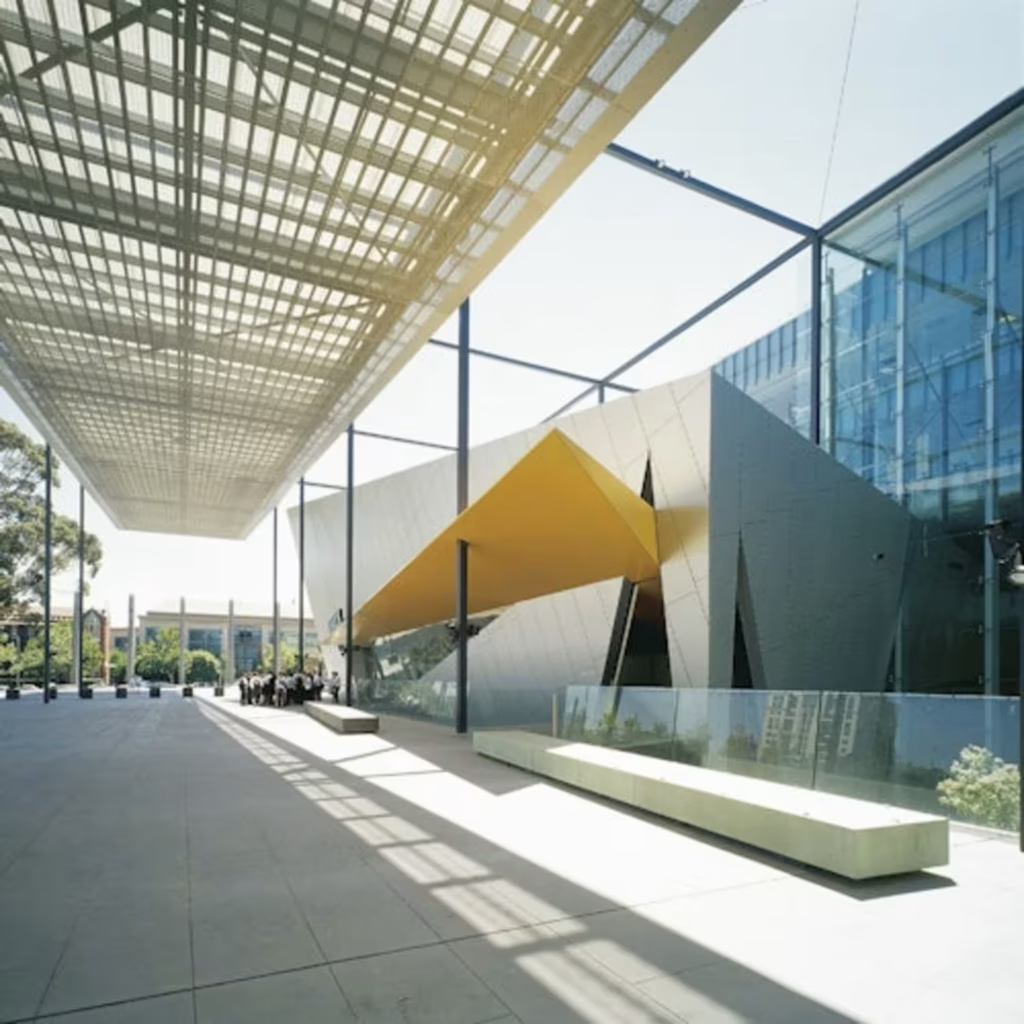
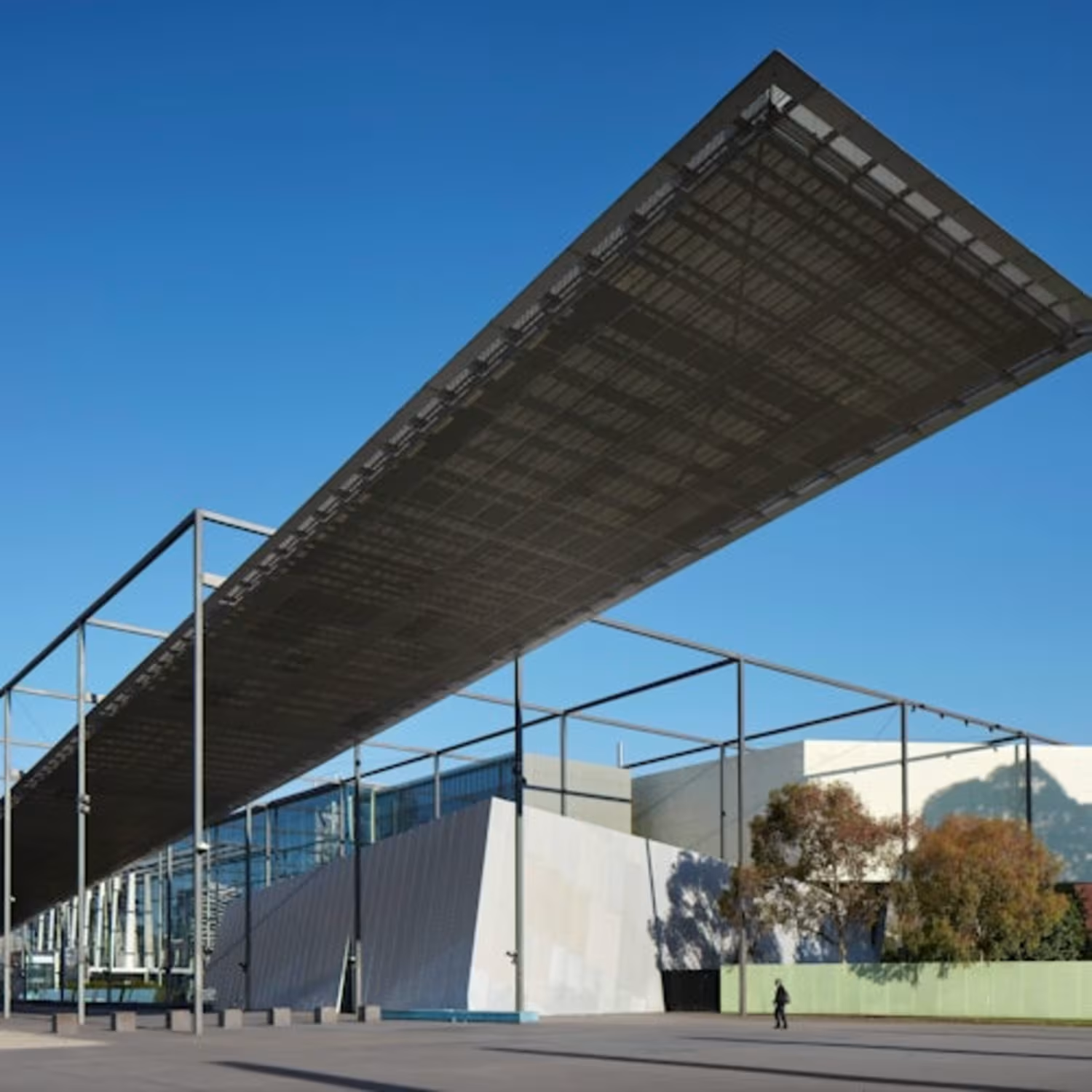
Melbourne Museum in Carlton

Melbourne Museum Exhibitions: What to See Inside

From the skeletons of Dinosaur Walk and Horridus the Triceratops to Phar Lap, a living forest and the First Peoples gallery, this is a gallery-by-gallery guide to what you will find at Melbourne Museum.

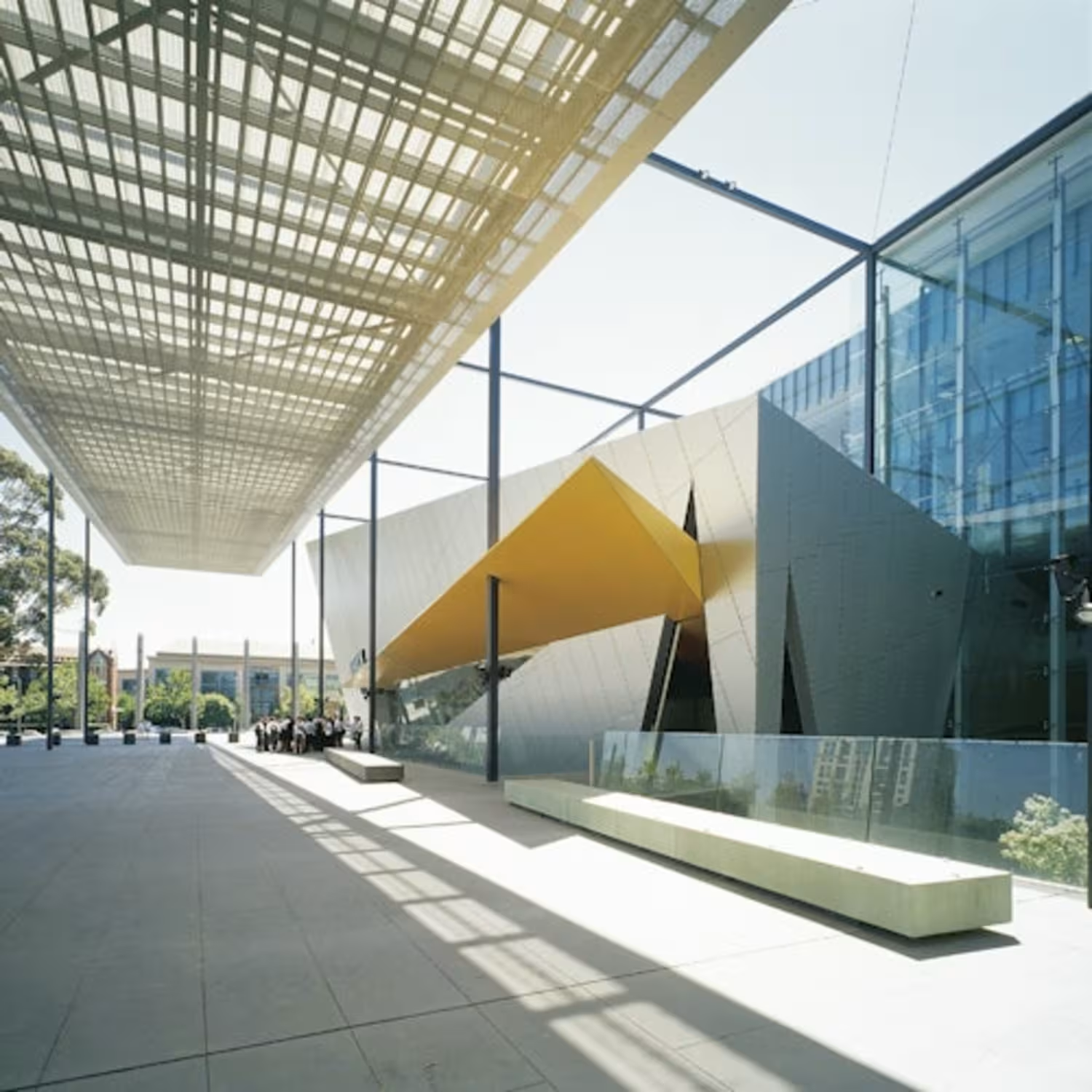
Melbourne Museum, in the Carlton Gardens just north of the city centre, covers far more than one visit can take in properly. Its permanent galleries range from natural science, with dinosaurs, fossils, minerals and live insects, to the story of Melbourne itself, the culture of the First Peoples of southeastern Australia, and a living indoor forest. This guide walks you through each of the main exhibitions, what to look for in each, and how to put them together into a route that suits adults, families or young children. For timings and practical advice, see the Melbourne Museum visitor guide.

4.7
(20)

Melbourne Museum: Entry Ticket

Highlights

Discover Australia’s heritage through extensive exhibits.

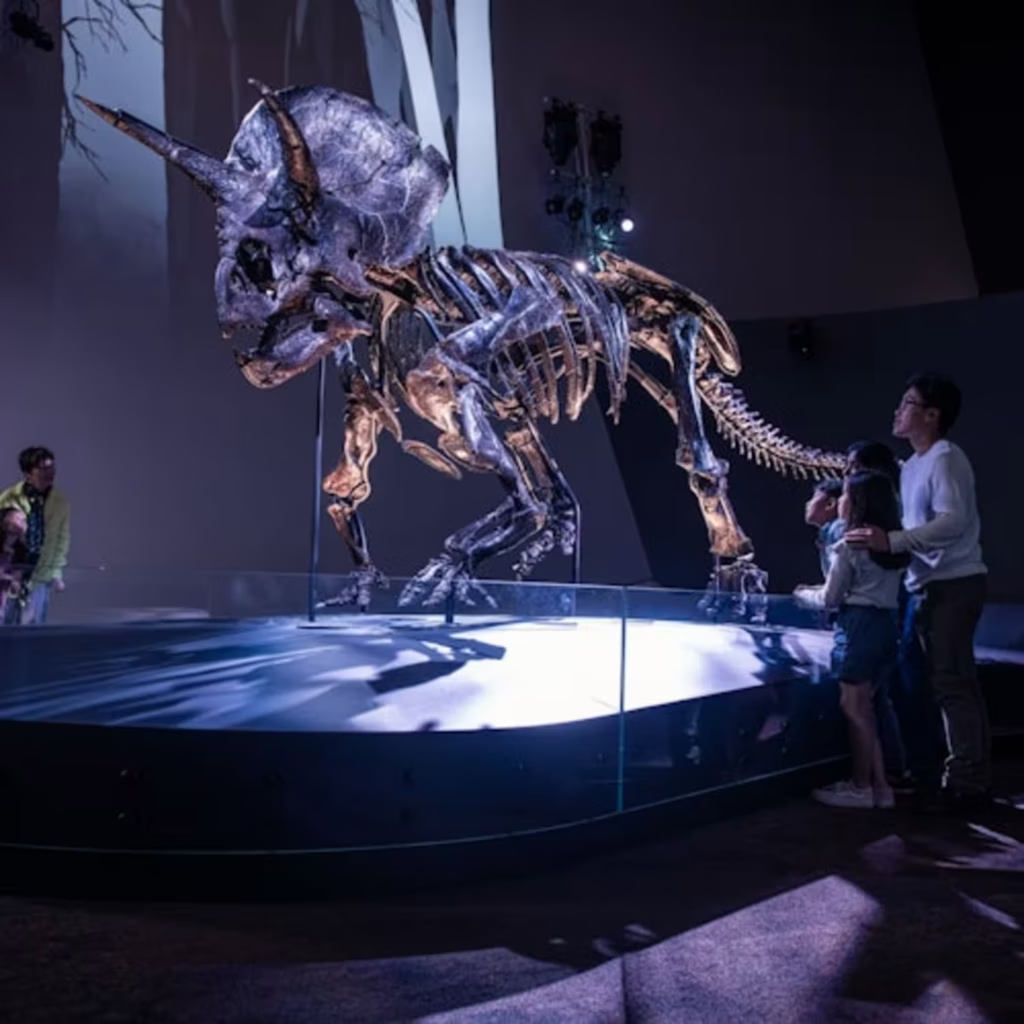
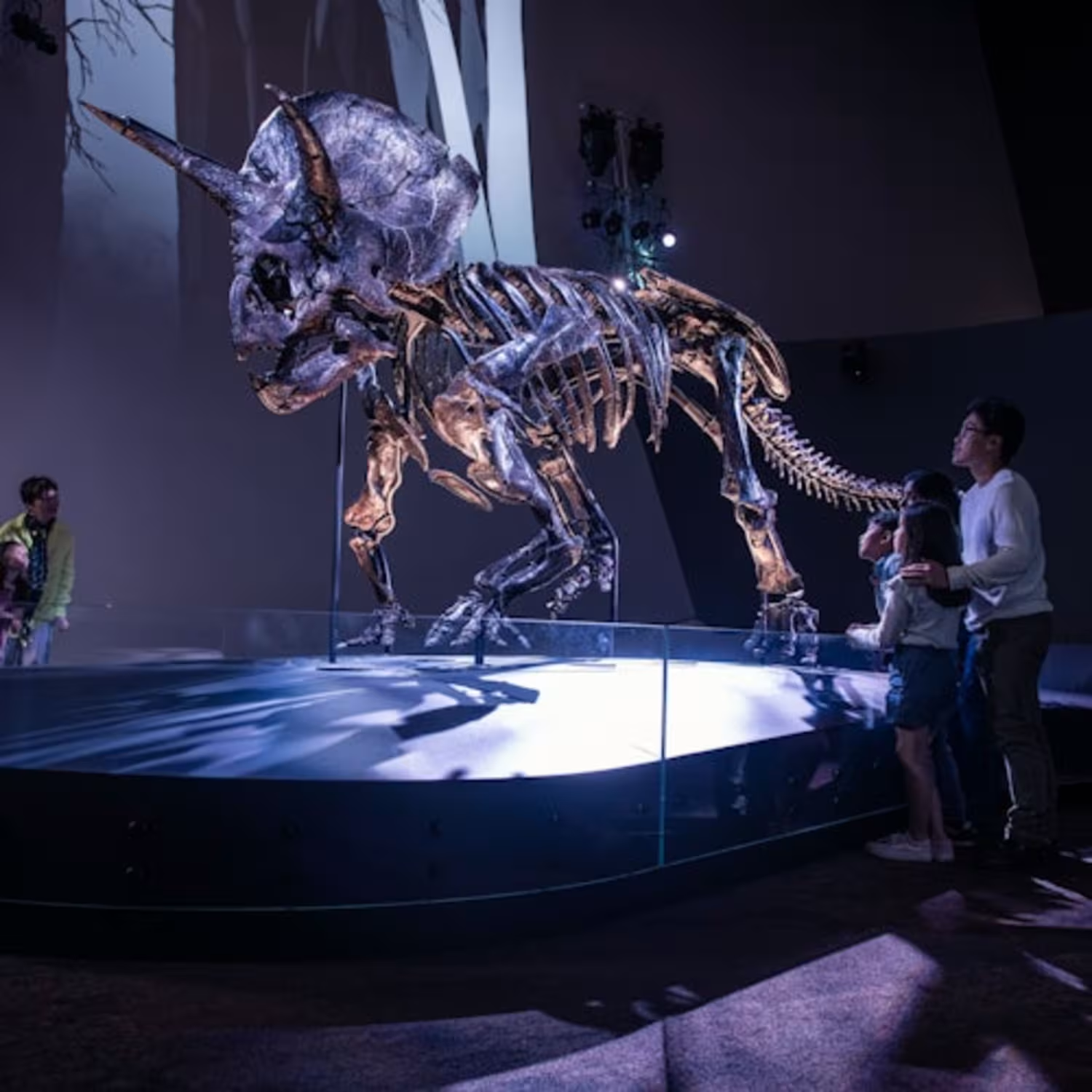
See Horridus, one of the most complete Triceratops skeletons ever found.

Explore the First Peoples exhibition.

Wander through the immersive Forest Gallery rainforest.

Enjoy a family-friendly atmosphere with exhibits for all ages.
Melbourne Museum exhibitions: key facts

Dinosaur Walk displays the skeletons of 13 prehistoric animals, including a Mamenchisaurus you can walk beneath.

Horridus, found in Montana, USA, is the most complete real dinosaur skeleton on display in Australia.

Phar Lap, Australia's most famous racehorse, has been on display at Museums Victoria since January 1933.

Bugs Alive! is the largest exhibition of live bugs in Australia.

The First Peoples gallery in Bunjilaka shows more than 600 cultural items and lets you hear Victoria's 38 Aboriginal languages.

The Pauline Gandel Children's Gallery is designed for children up to five years old and runs in 50-minute timed sessions.

Dinosaur Walk: 13 skeletons to walk under
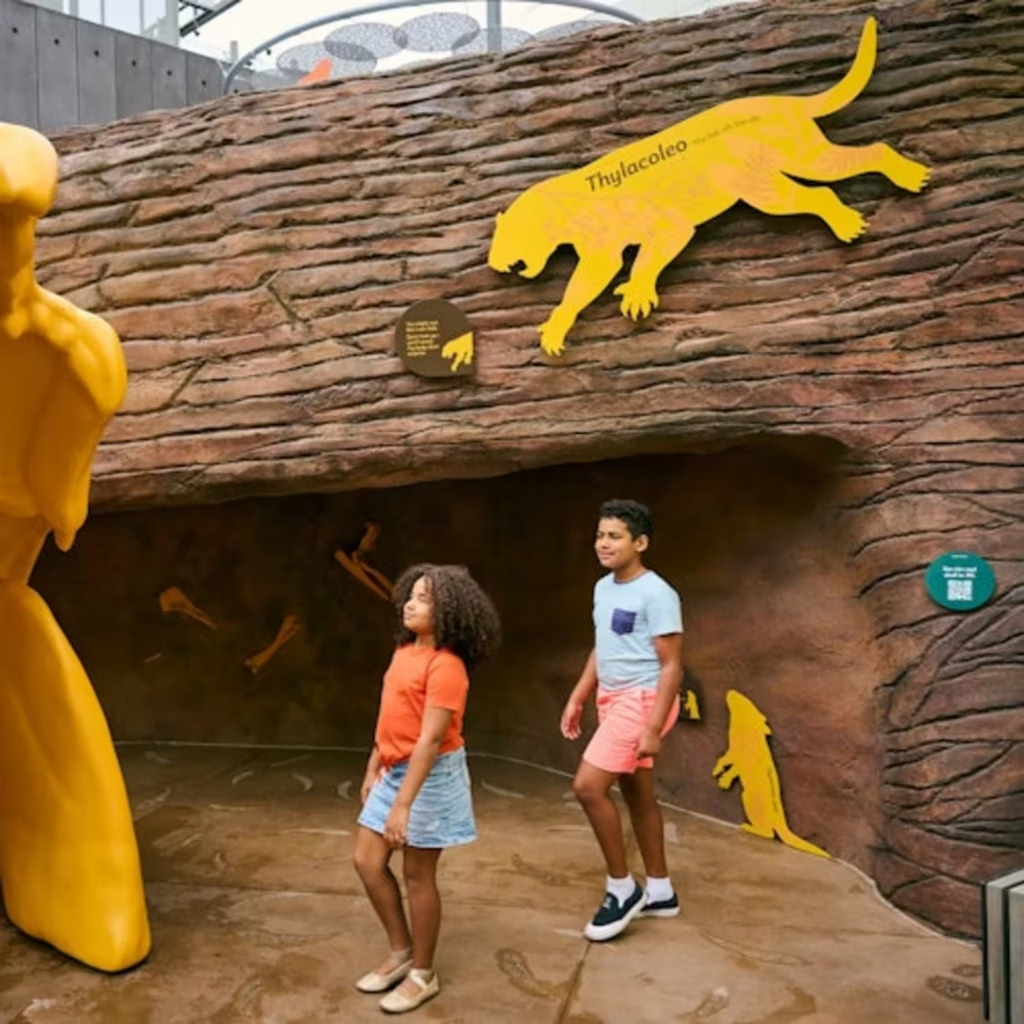
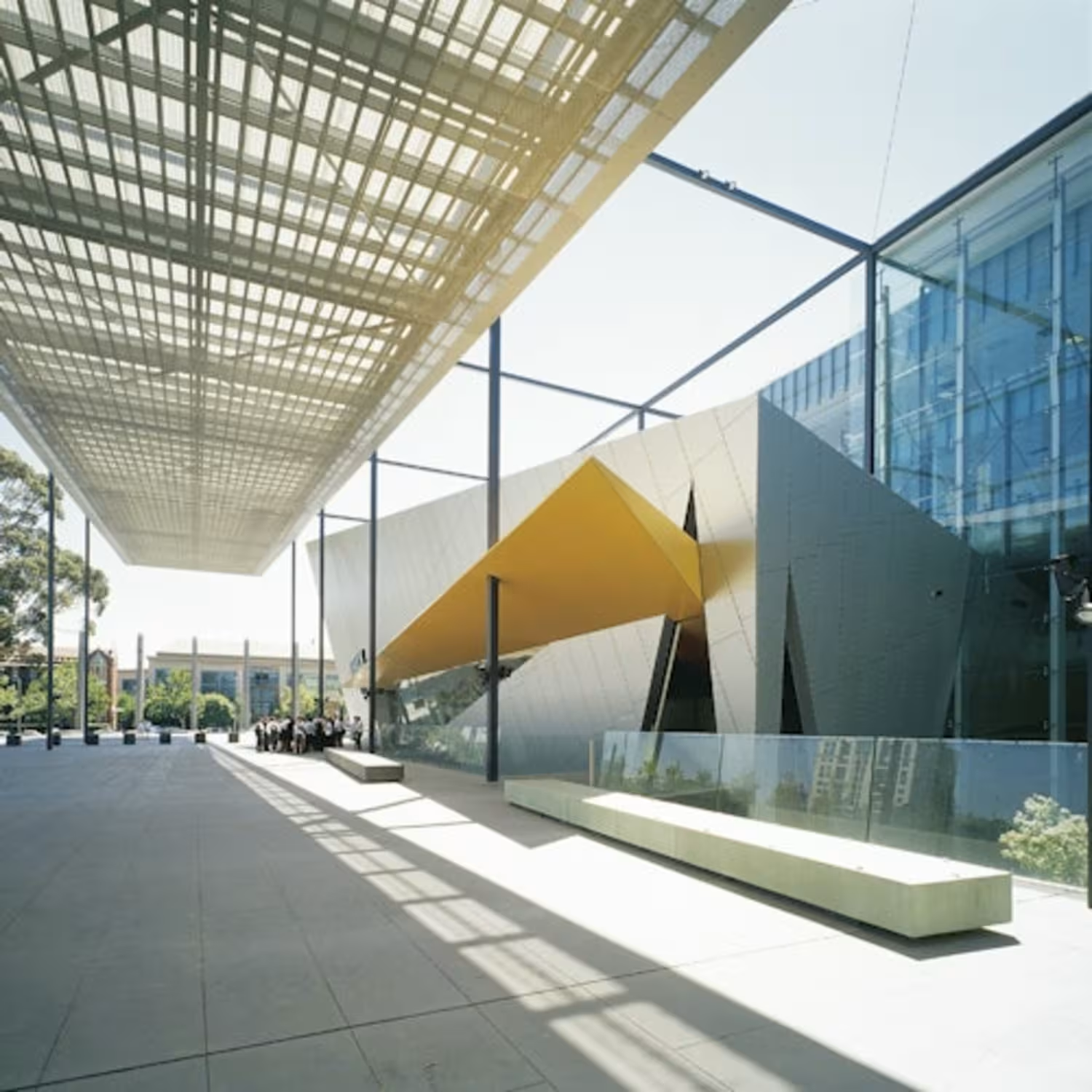
Inside Melbourne Museum

Dinosaur Walk is the gallery most visitors head for first. It brings together the skeletons of 13 prehistoric animals, and you can walk around, under and through them. The centrepiece is Mamenchisaurus, a huge long-necked sauropod described by the museum as being as long as a house. Smaller specimens include Protoceratops andrewsi, a dinosaur from the Cretaceous period.

The gallery also covers Australia's giant prehistoric animals, including Diprotodon, the largest marsupial that ever lived, and Megalania, the largest lizard ever found in Australia. Animated reconstructions show how these animals lived and died, and there is plenty to touch: dinosaur teeth, fossilised droppings and the thigh bone of a 25-tonne sauropod.

Triceratops: Fate of the Dinosaurs

Melbourne Museum admission

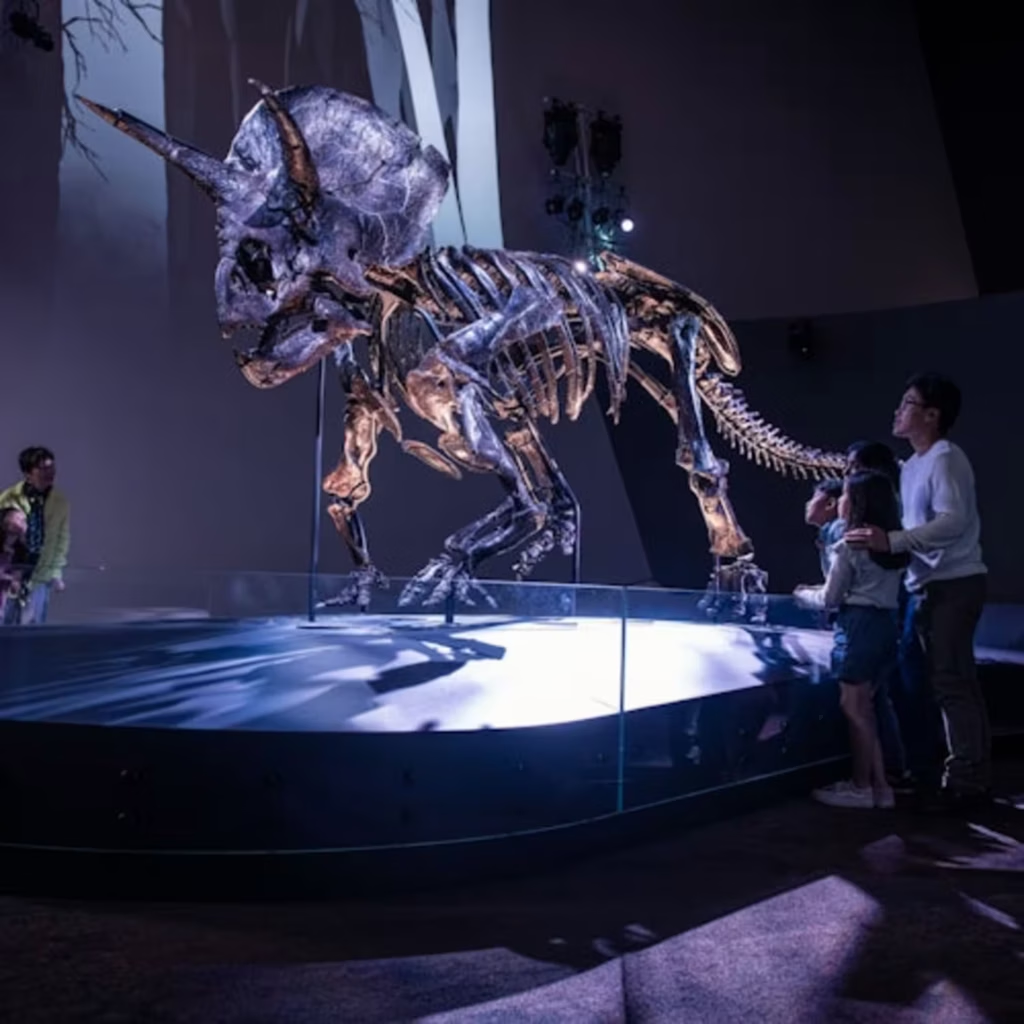
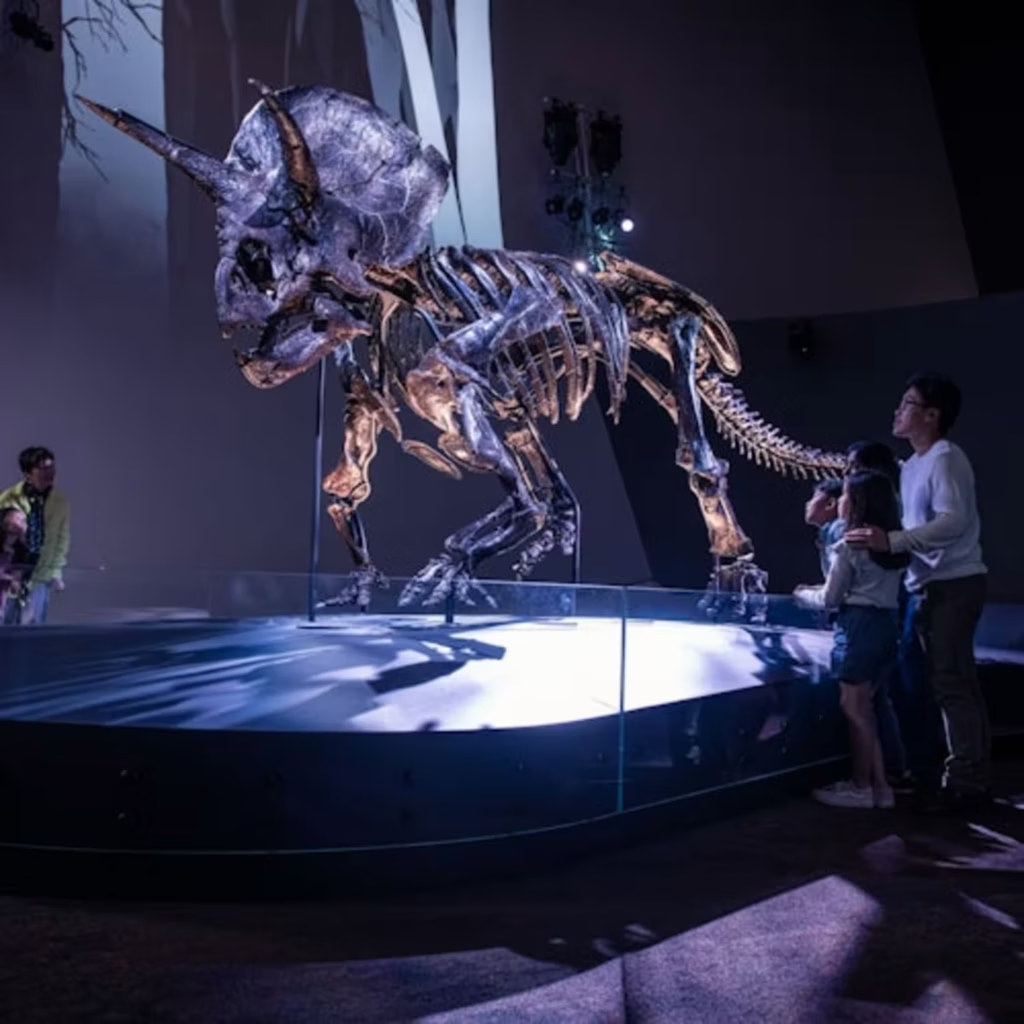
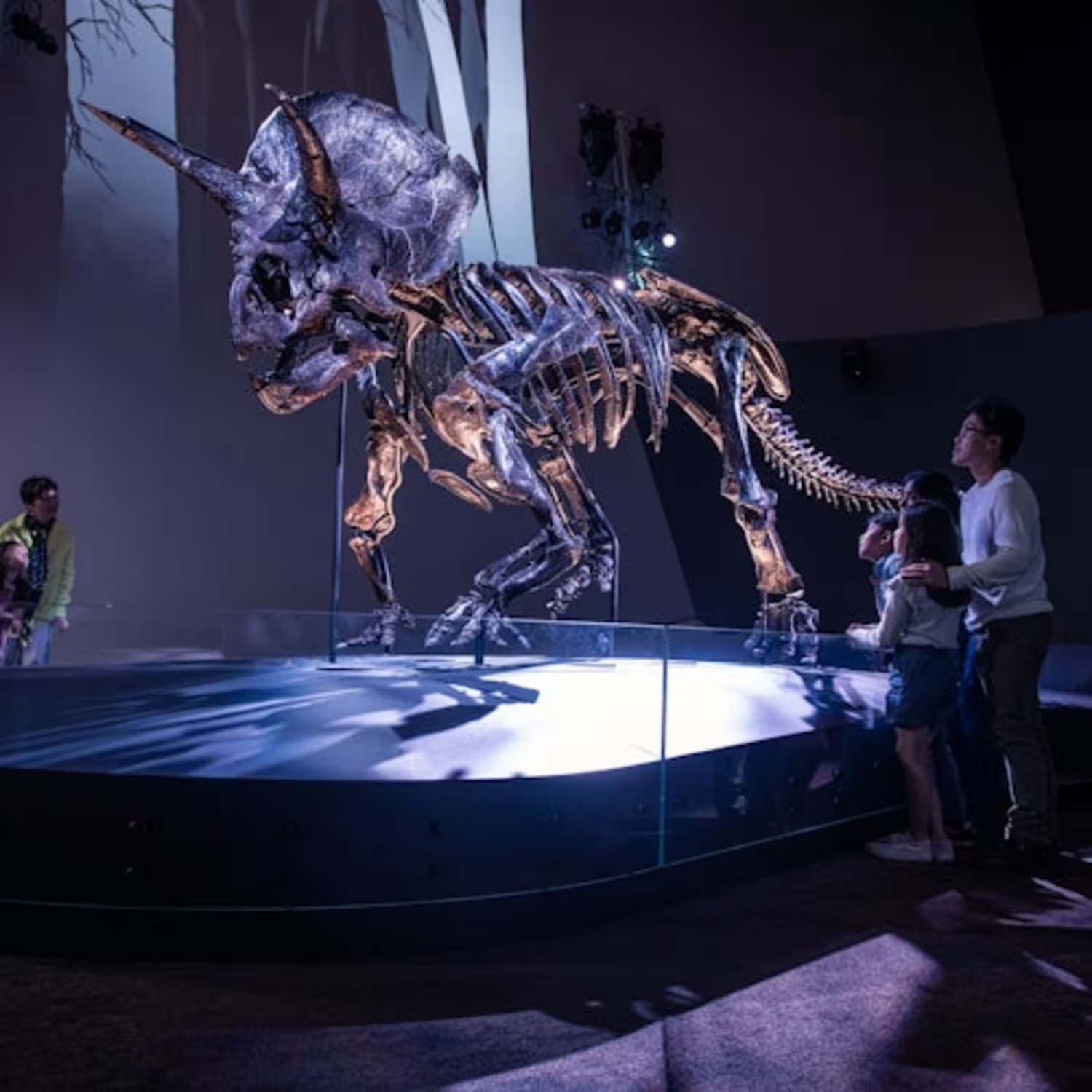
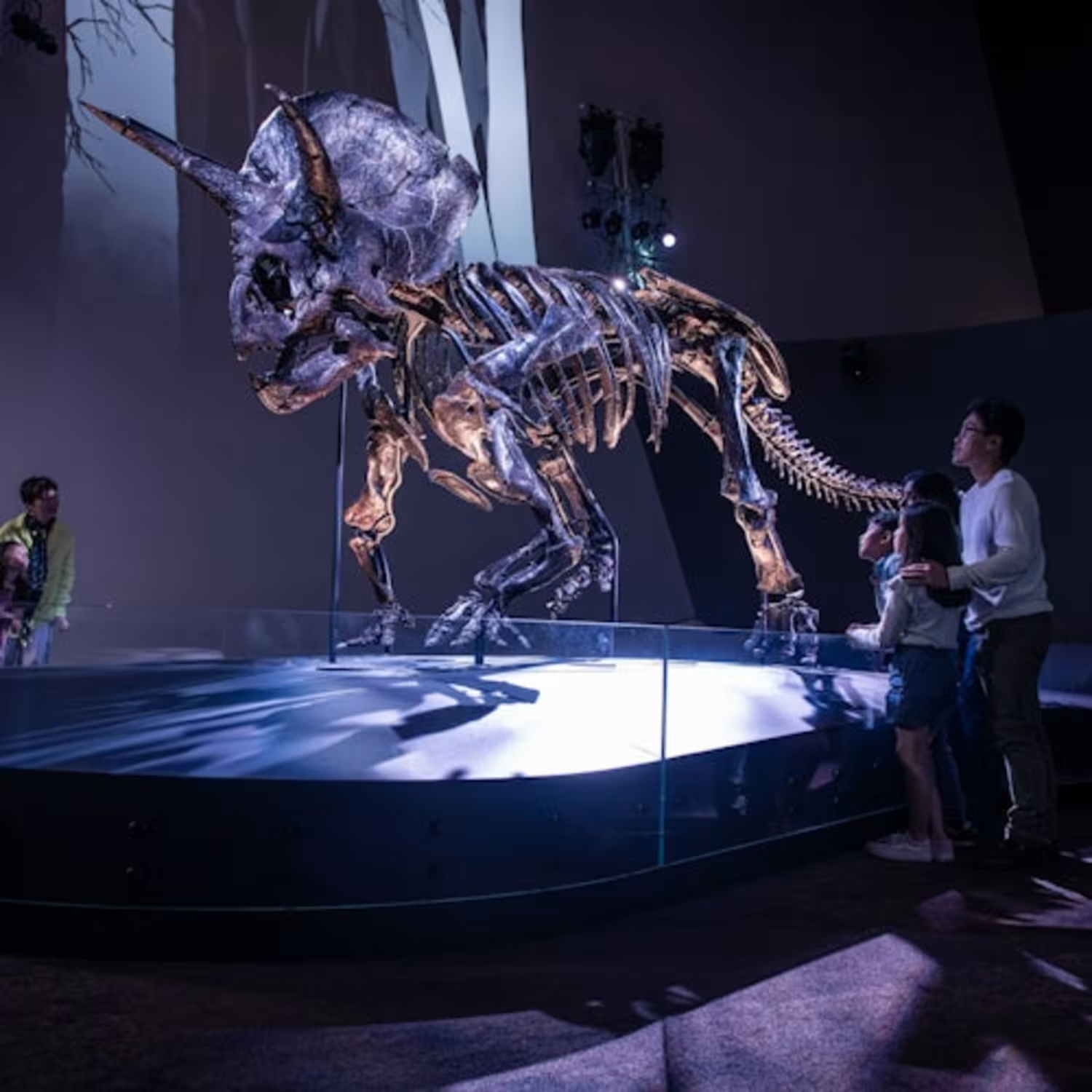
Triceratops: Fate of the Dinosaurs is built around Horridus, one of the most complete Triceratops fossils ever found and, according to the museum, the most complete real dinosaur skeleton on display anywhere in Australia. Horridus was discovered in Montana, in the United States, more than 66 million years after the animal died, and is now at Melbourne Museum.

The exhibition takes you into the Late Cretaceous, with virtual forests and falling asteroids that tell the story of how the dinosaurs died out. Upstairs, a display covers the dinosaurs that survived: birds. Check what's included when you book.

Bugs Alive!, 600 Million Years and Dynamic Earth
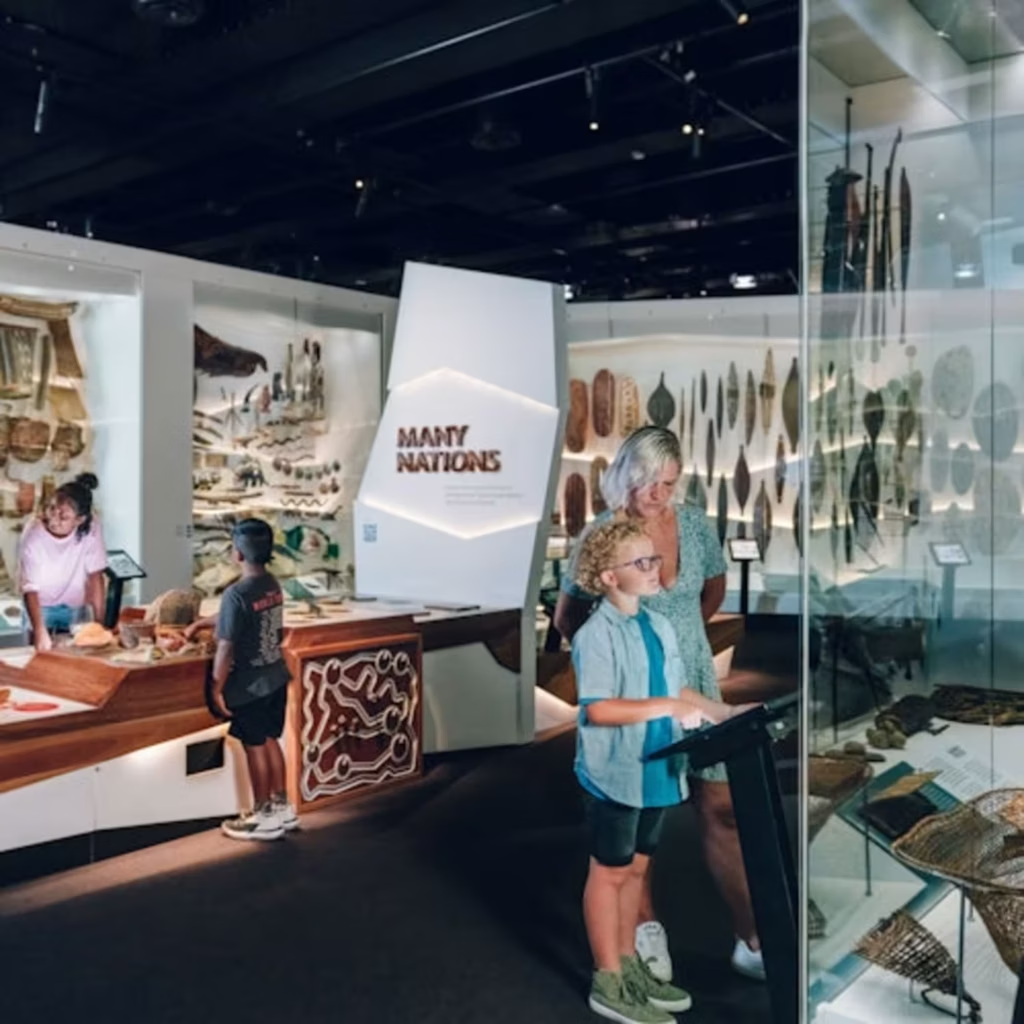
Visitors at Melbourne Museum

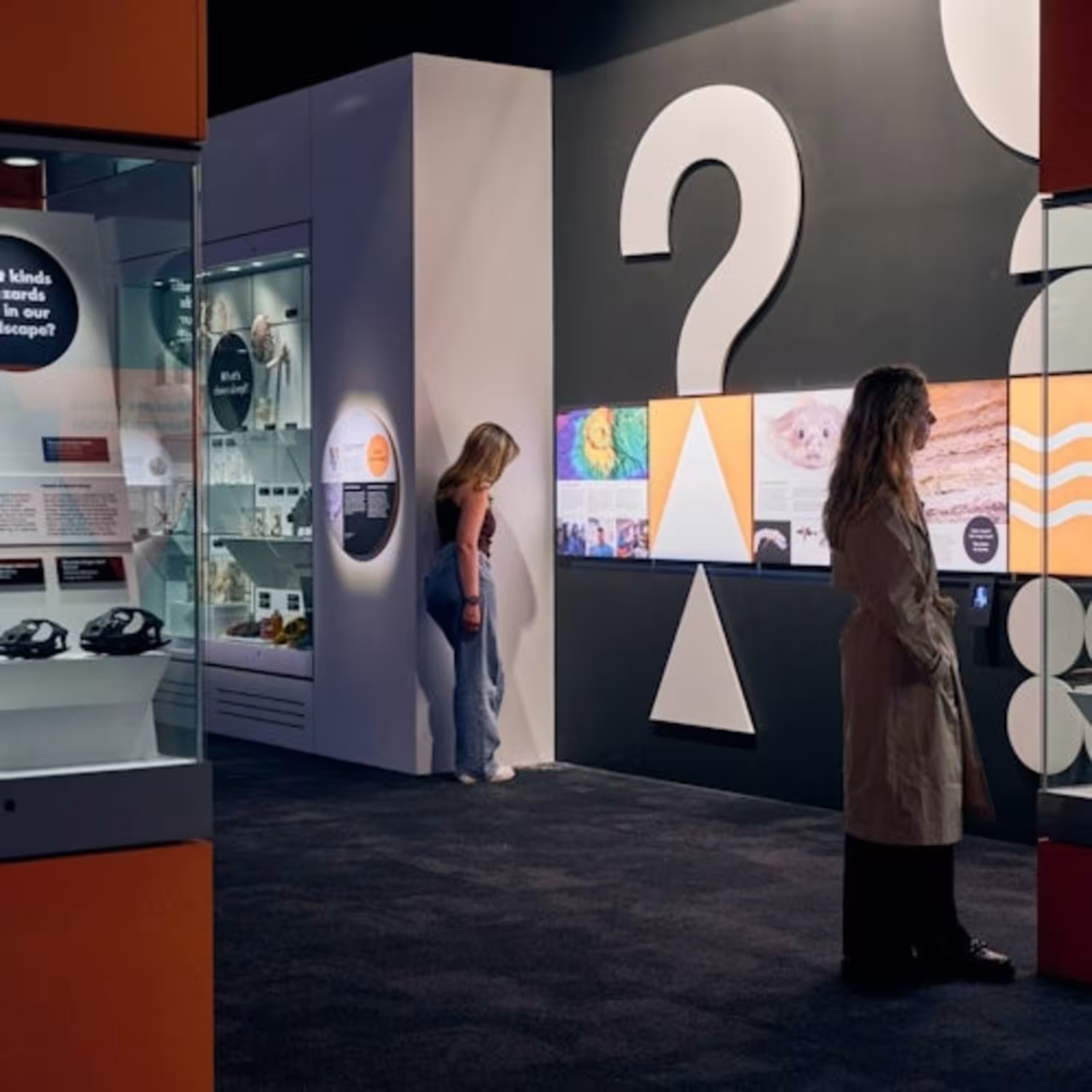
The Science and Life Gallery holds several of the museum's natural science exhibitions. Bugs Alive! is the largest exhibition of live bugs in Australia, with insects, spiders, snails and other invertebrates in naturalistic enclosures: a colony of green tree ants, a mantid and aquatic insects. Local spiders such as redbacks and orb-weavers are on show, and the Quarantine Room holds rare tarantulas. Look out for the Insect Hall of Fame, with record-holders for size, weight and toxicity, and the Big Bug Theatre.

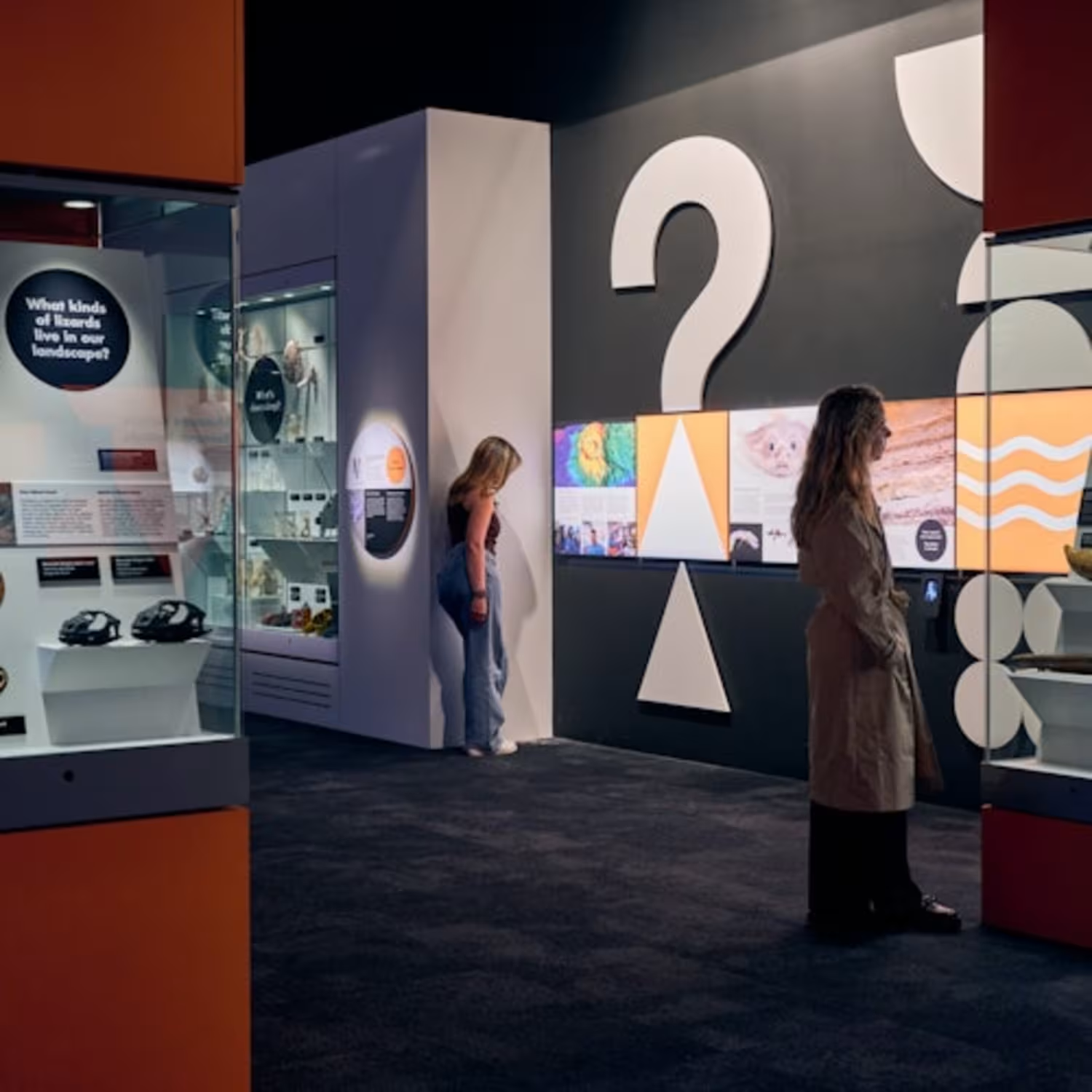
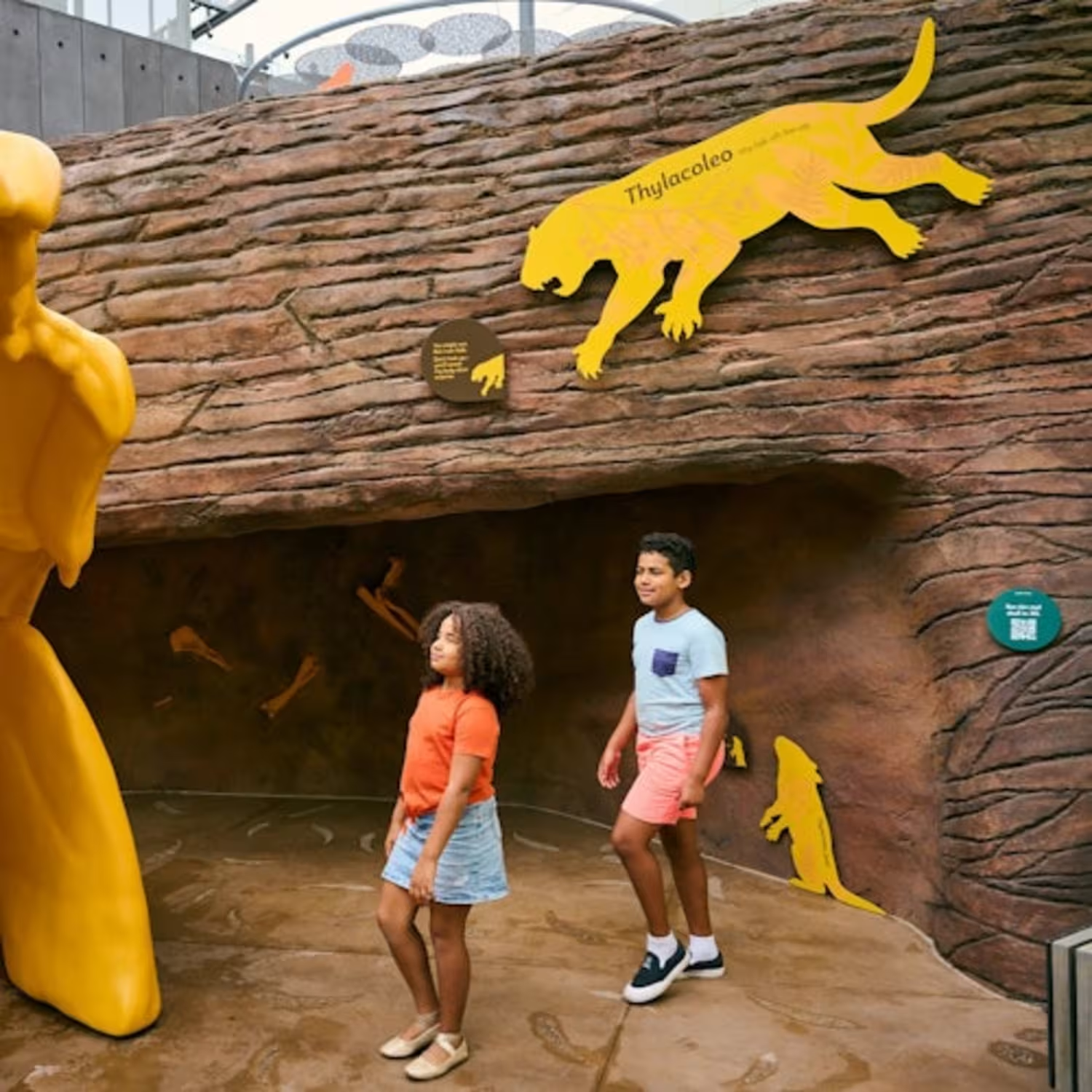
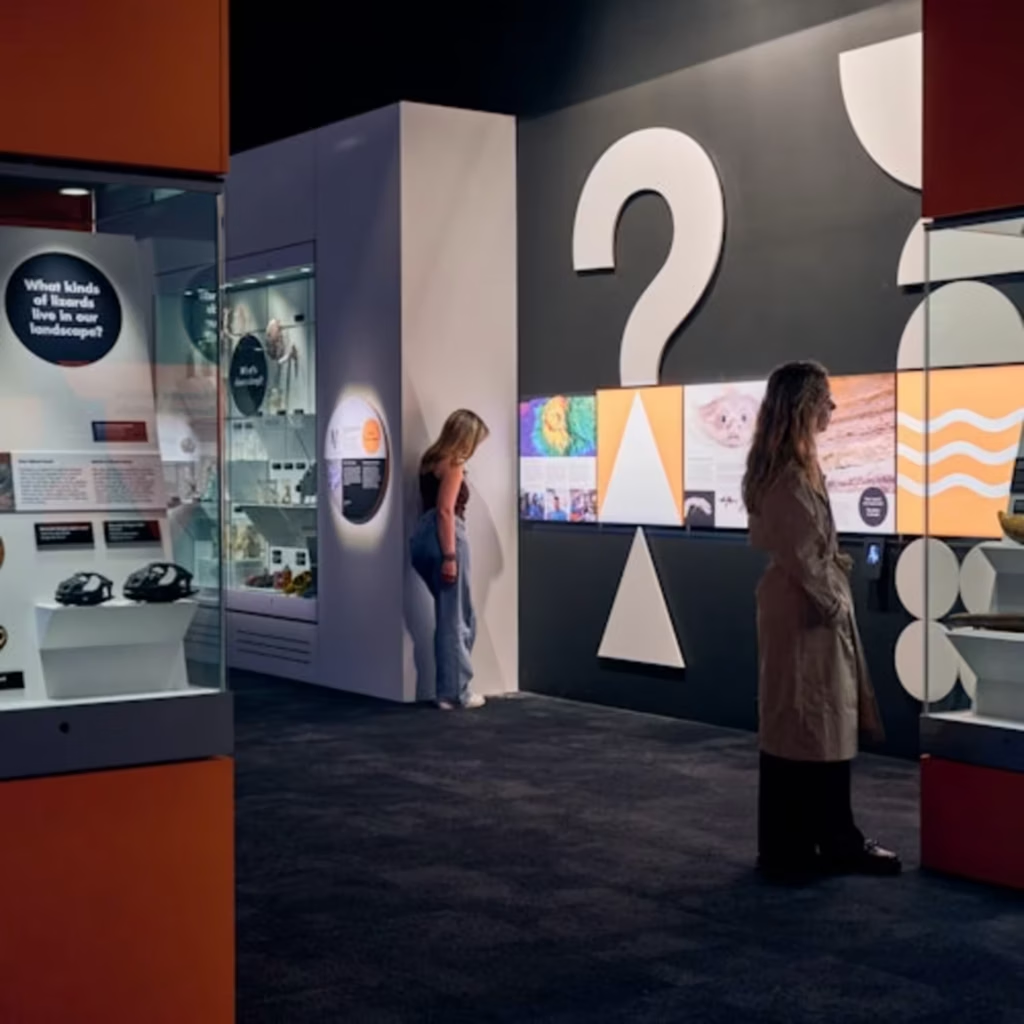
600 Million Years: Victoria Evolves traces the evolution of life in Victoria with fossils, animatronics and interactives, from the rise of mountains to the evolution of whales. Dynamic Earth uses the museum's geology collection to explain how the planet formed and what drives it. Close by, the Research Institute Gallery shows objects linked to the museum's current research, and the Thylacine, or Tasmanian Tiger, is its must-see specimen.

Phar Lap and the Melbourne Story

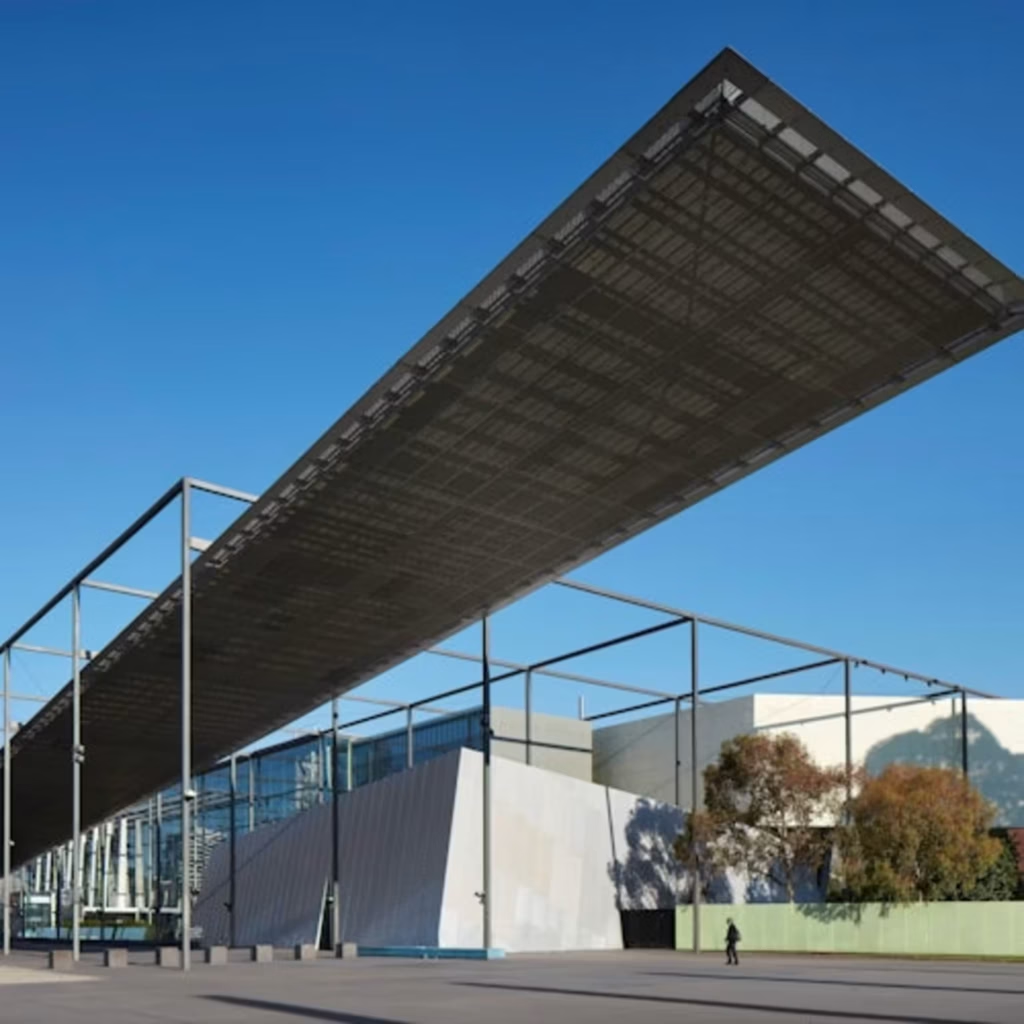
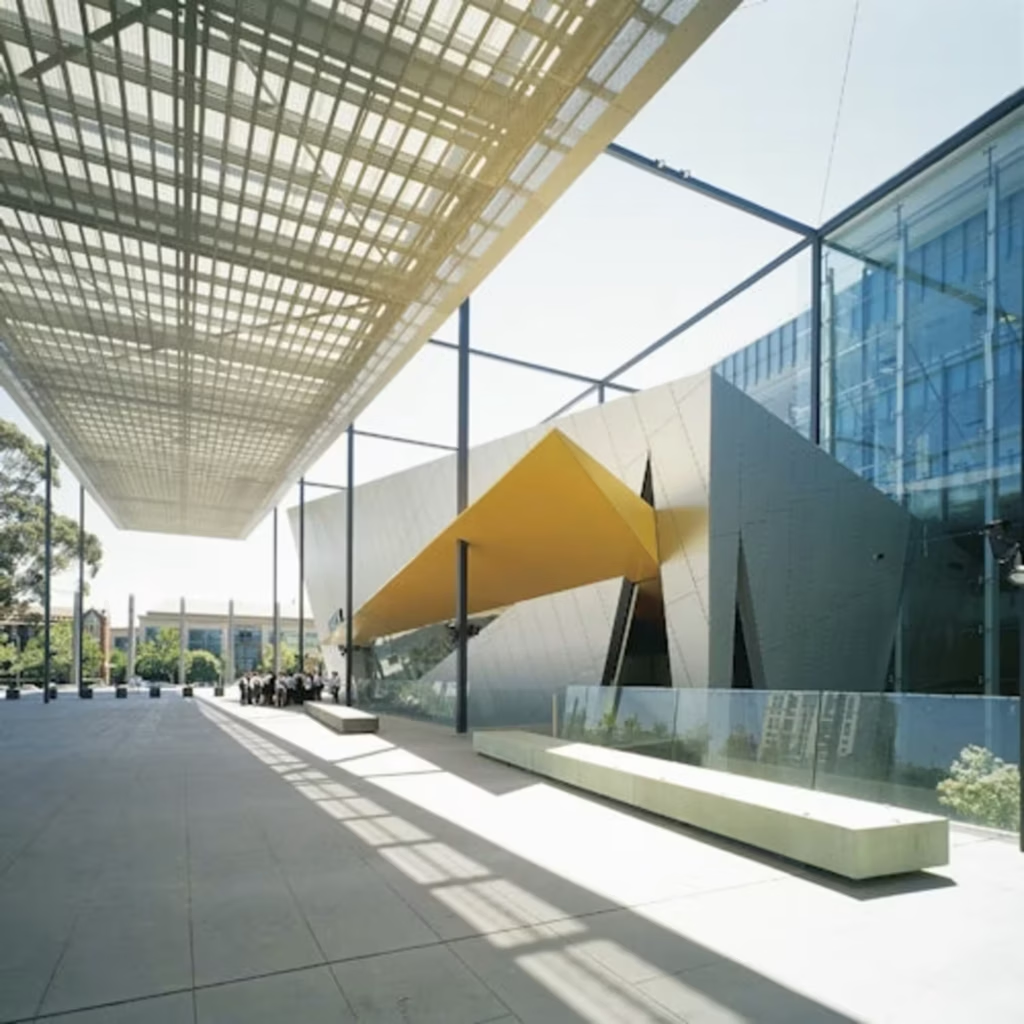
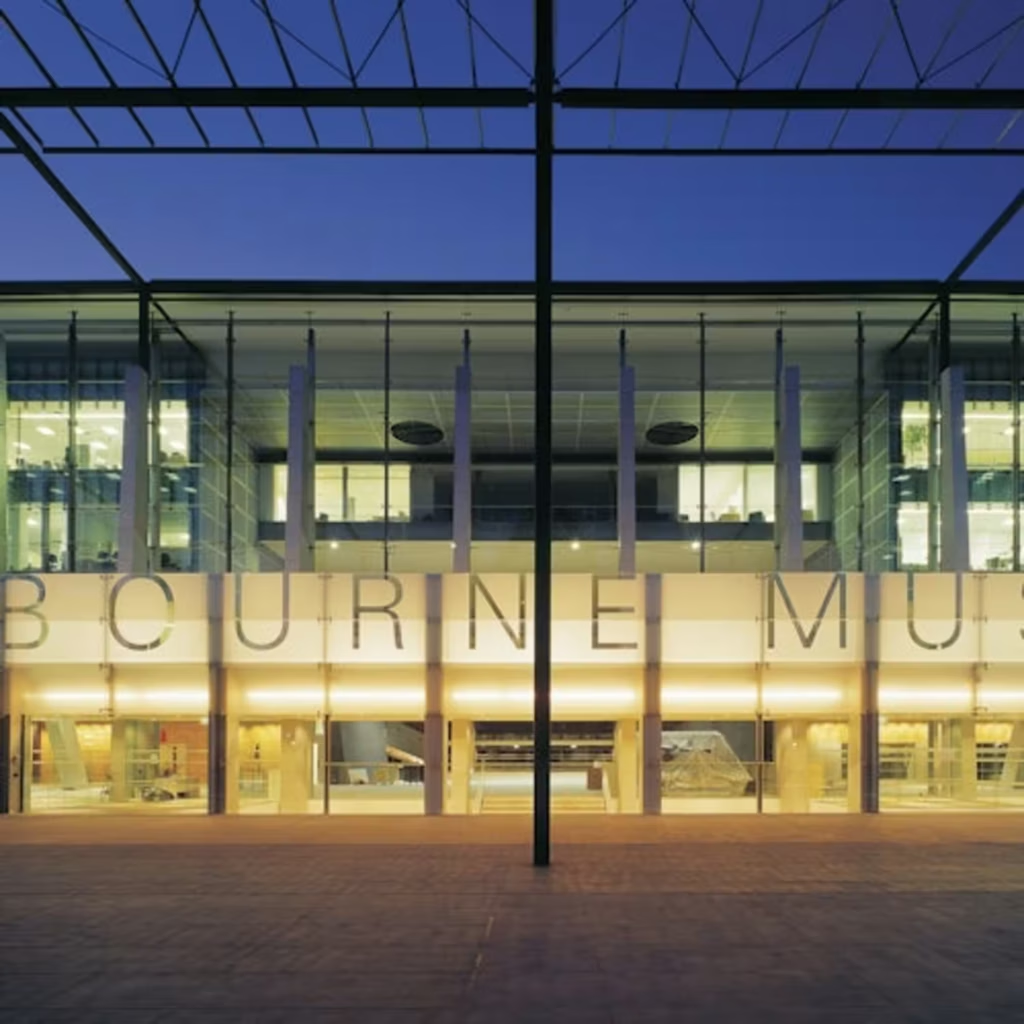
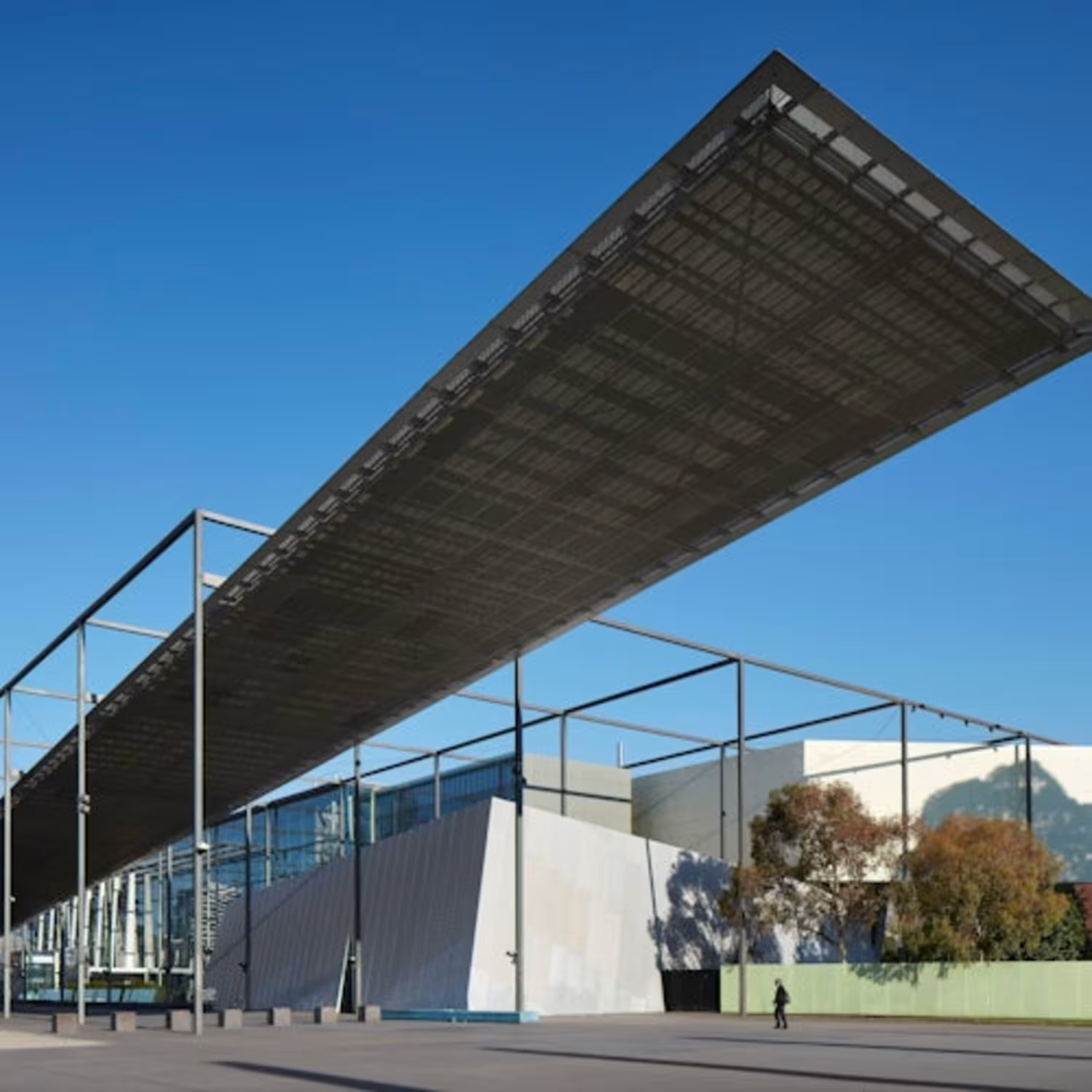
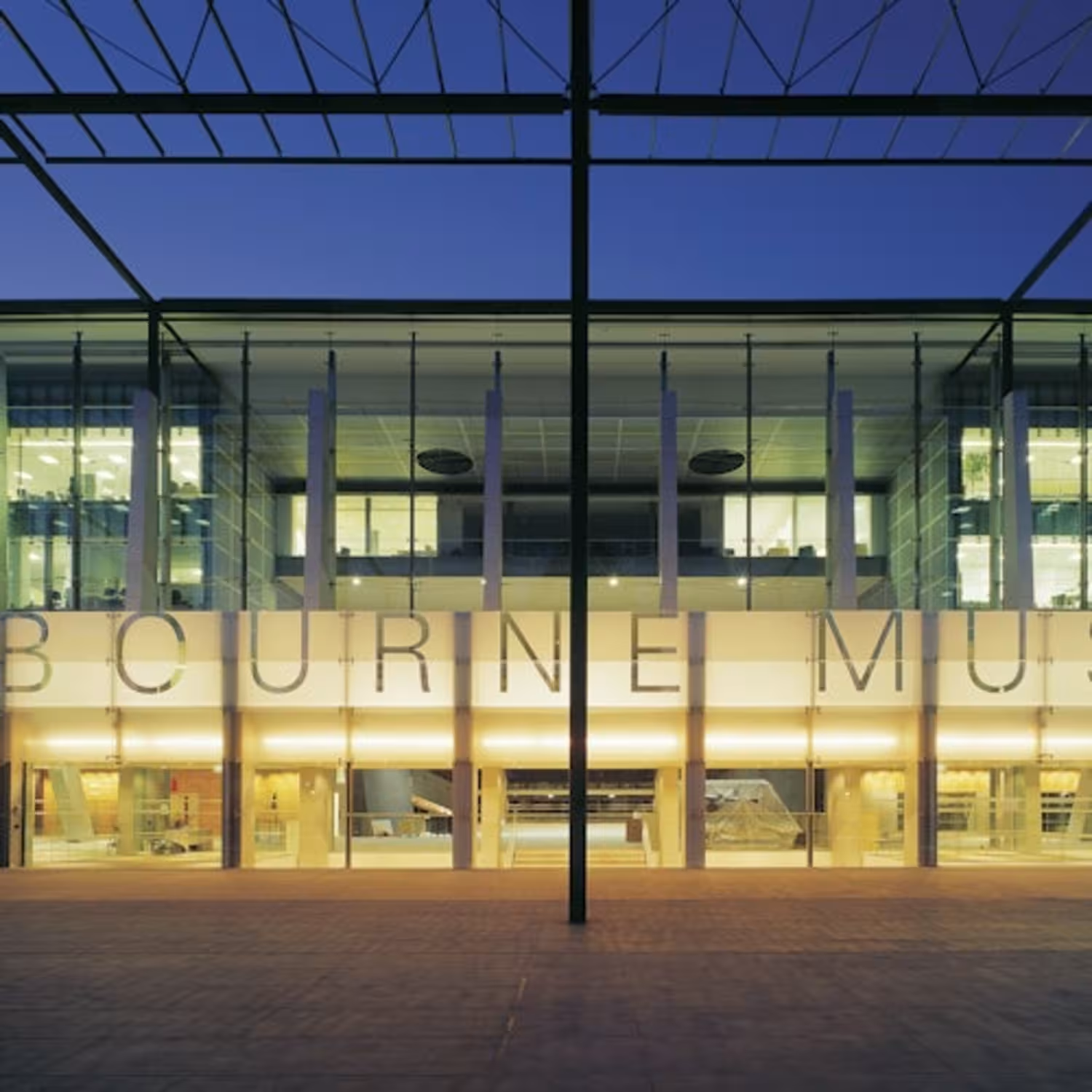
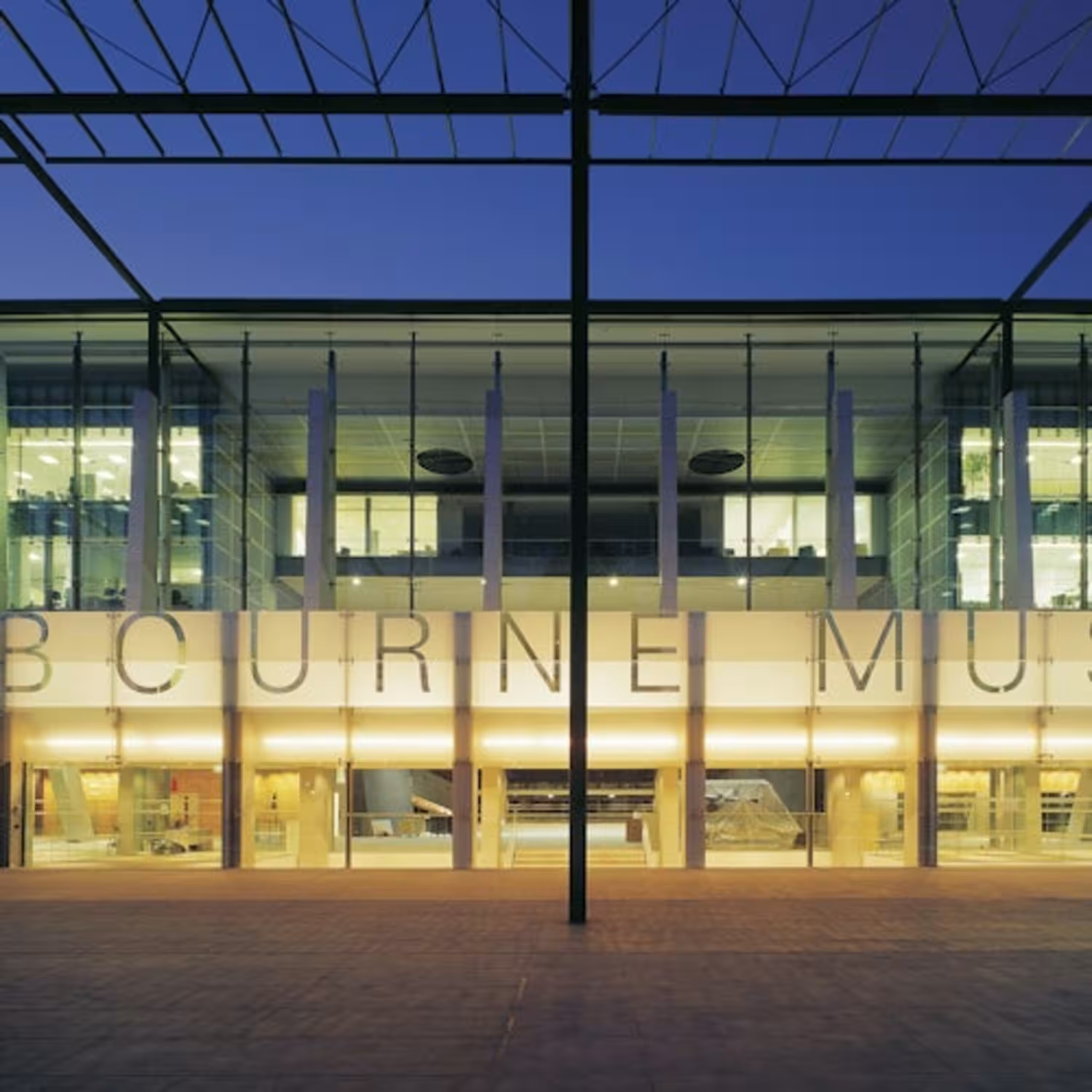
Melbourne Museum entrance

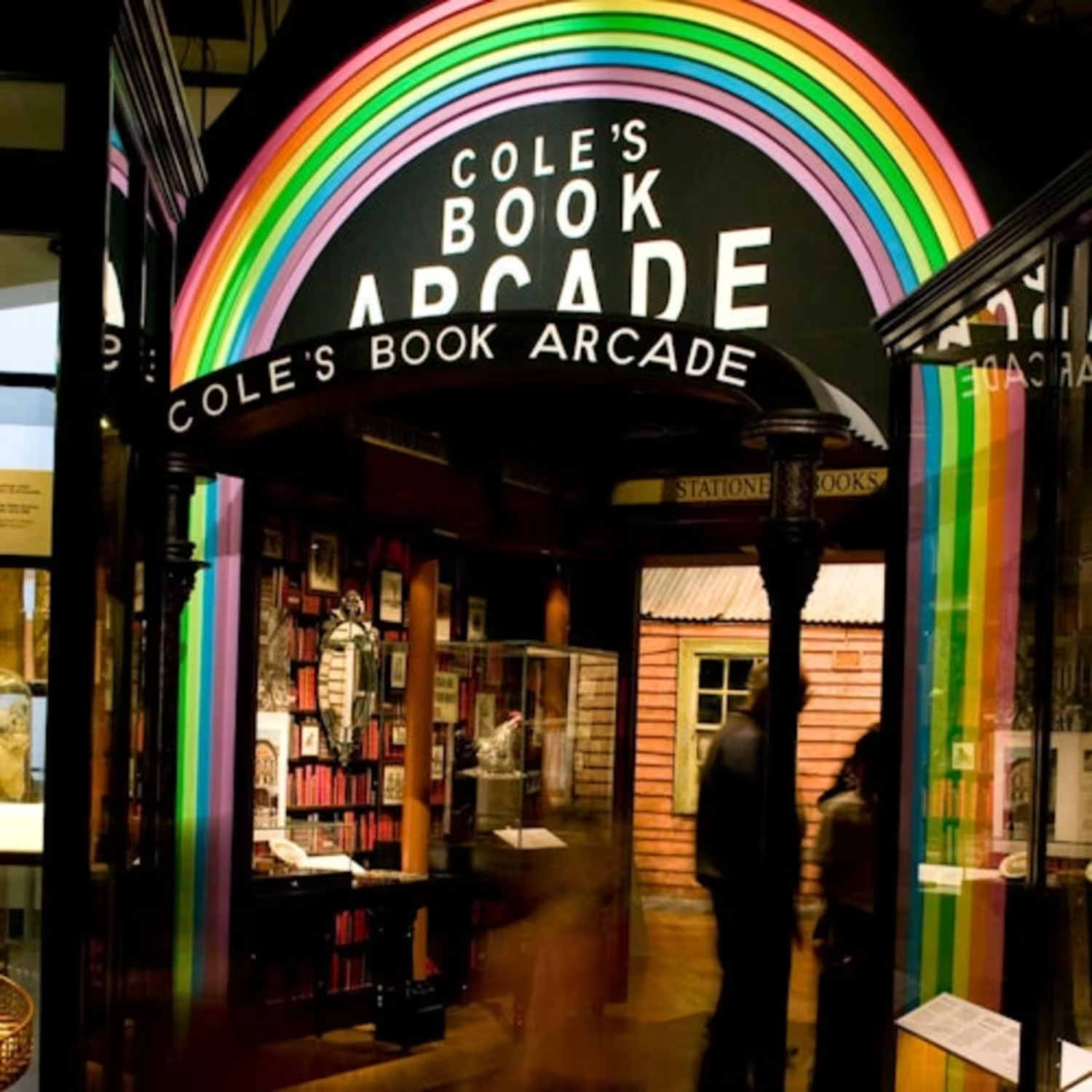
Upstairs, the Melbourne Gallery tells the history of the city, from the earliest contact between settlers and the local Aboriginal people. Its most famous resident is Phar Lap, the New Zealand-bred racehorse who won 37 of his 51 races, including the 1930 Melbourne Cup, and became a hero of the Depression years. He died in California in 1932 and has been on display at Museums Victoria since January 1933.

Alongside the horse you can see his training saddle, his shoes and his tonic book, together with letters the public sent to his trainer Harry Telford. His strapper Tommy Woodcock called him Bobby; Telford called him the Red Terror. Deeper in The Melbourne Story, workers' houses from Little Lon display archaeological finds from what was once the city's most notorious neighbourhood.

First Peoples, Milarri Garden and the Forest Gallery
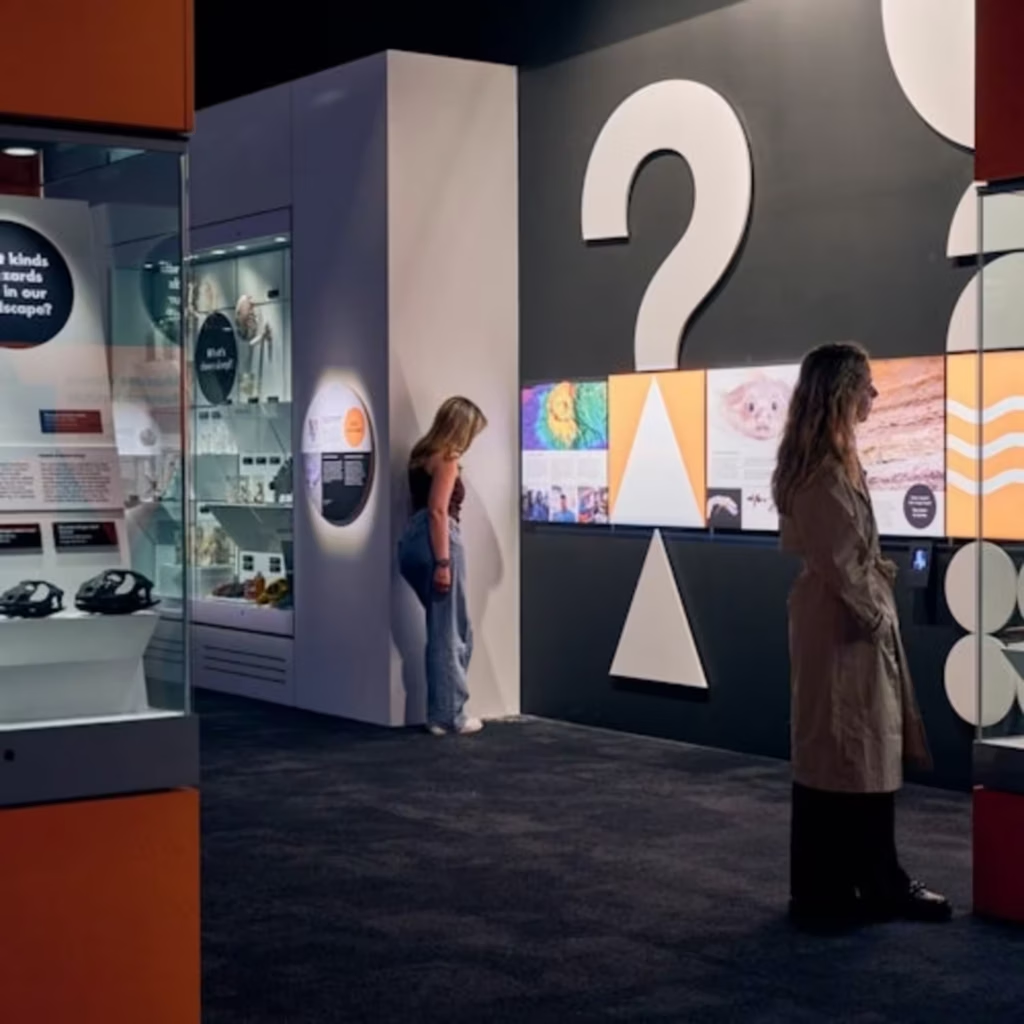
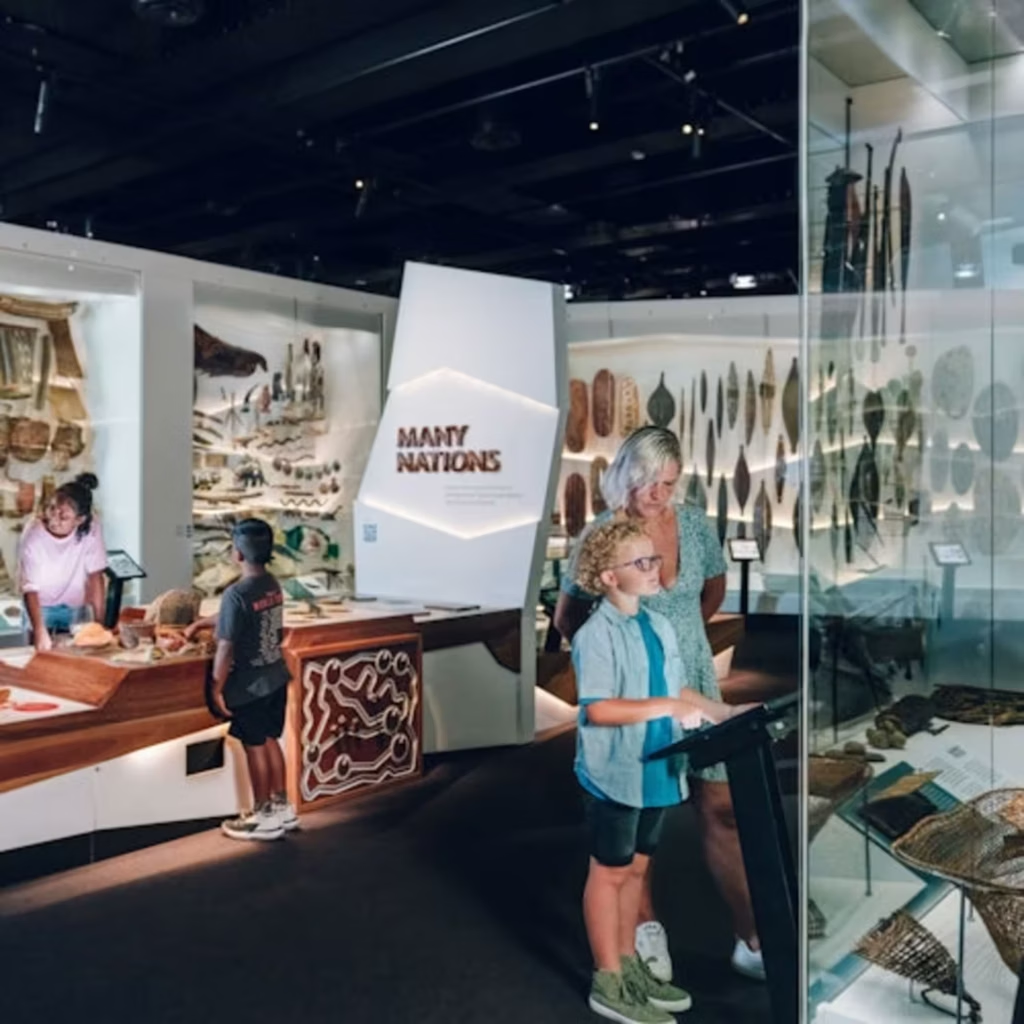
Melbourne Museum passes

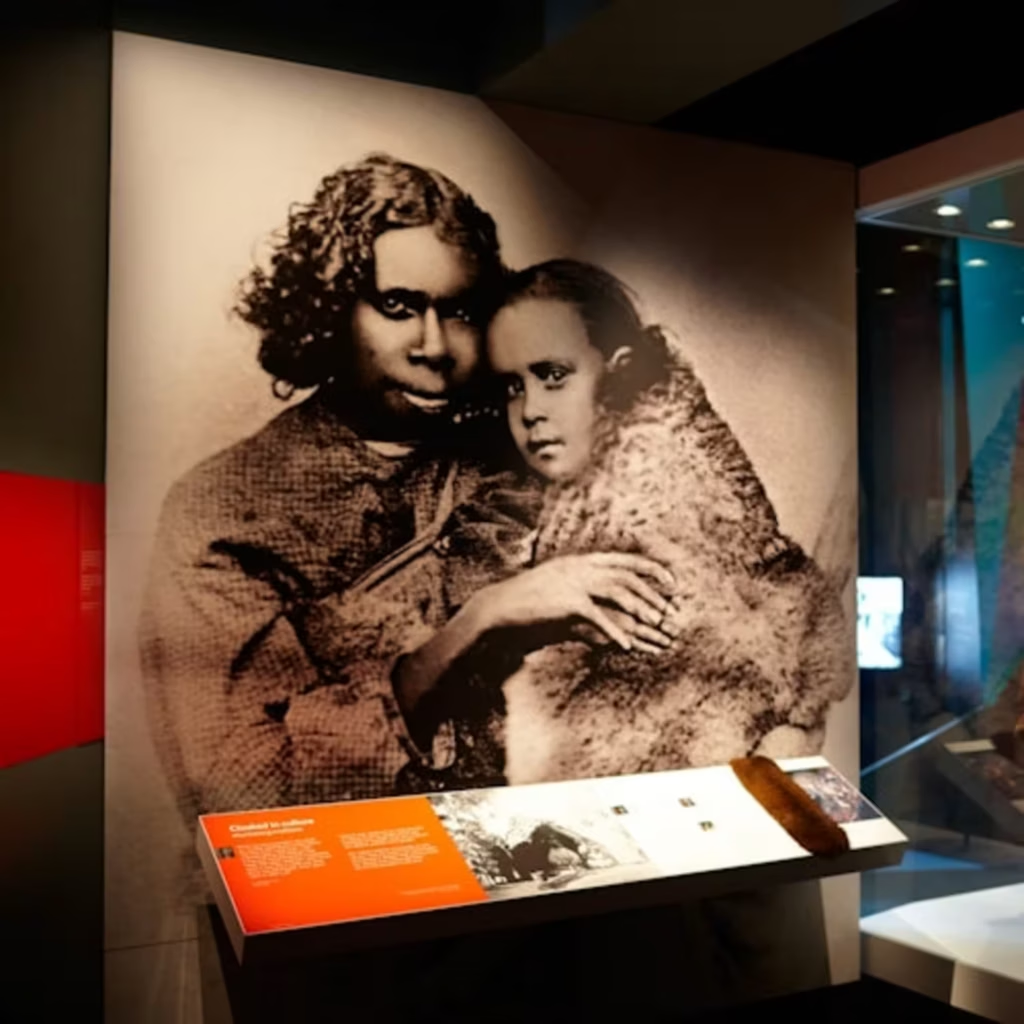
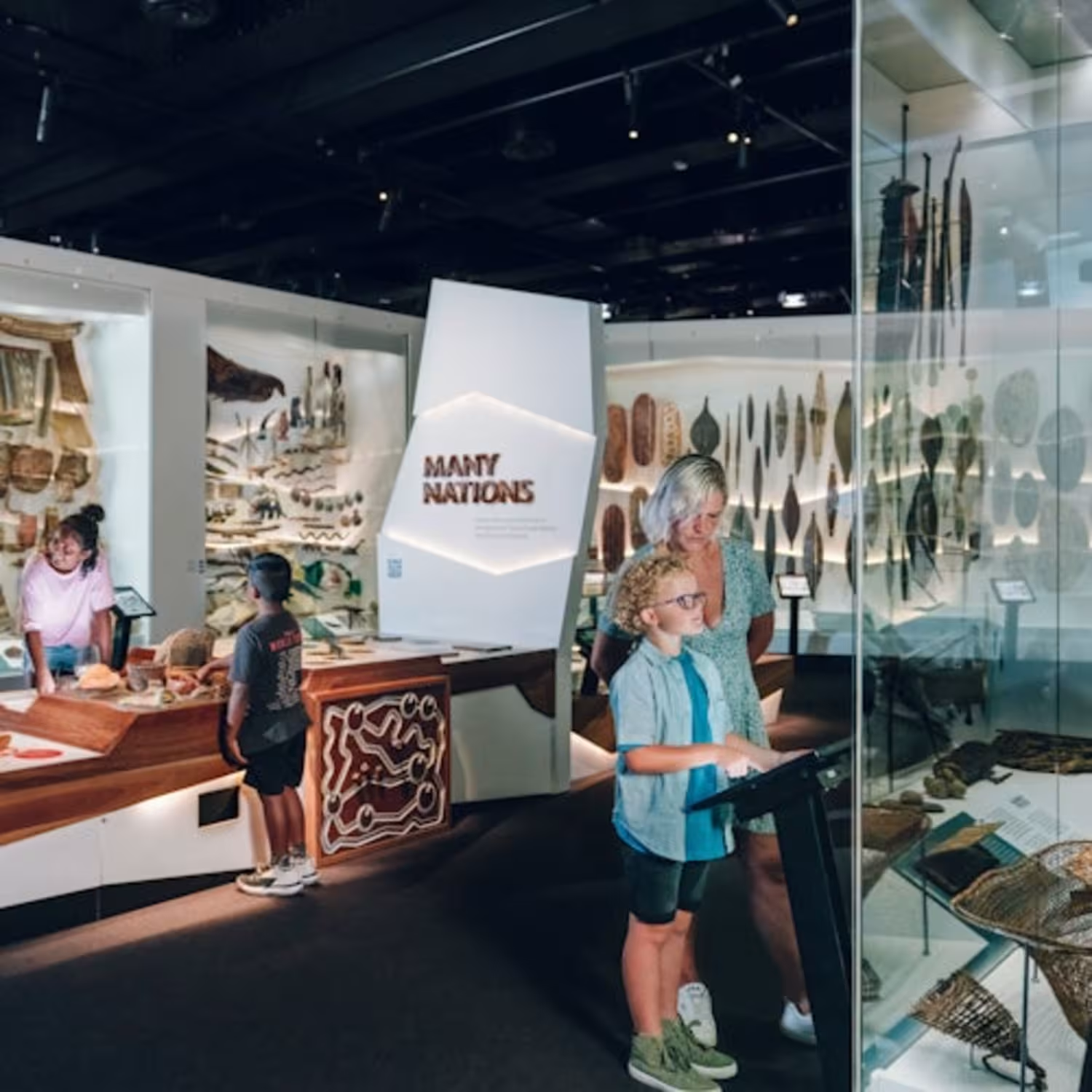
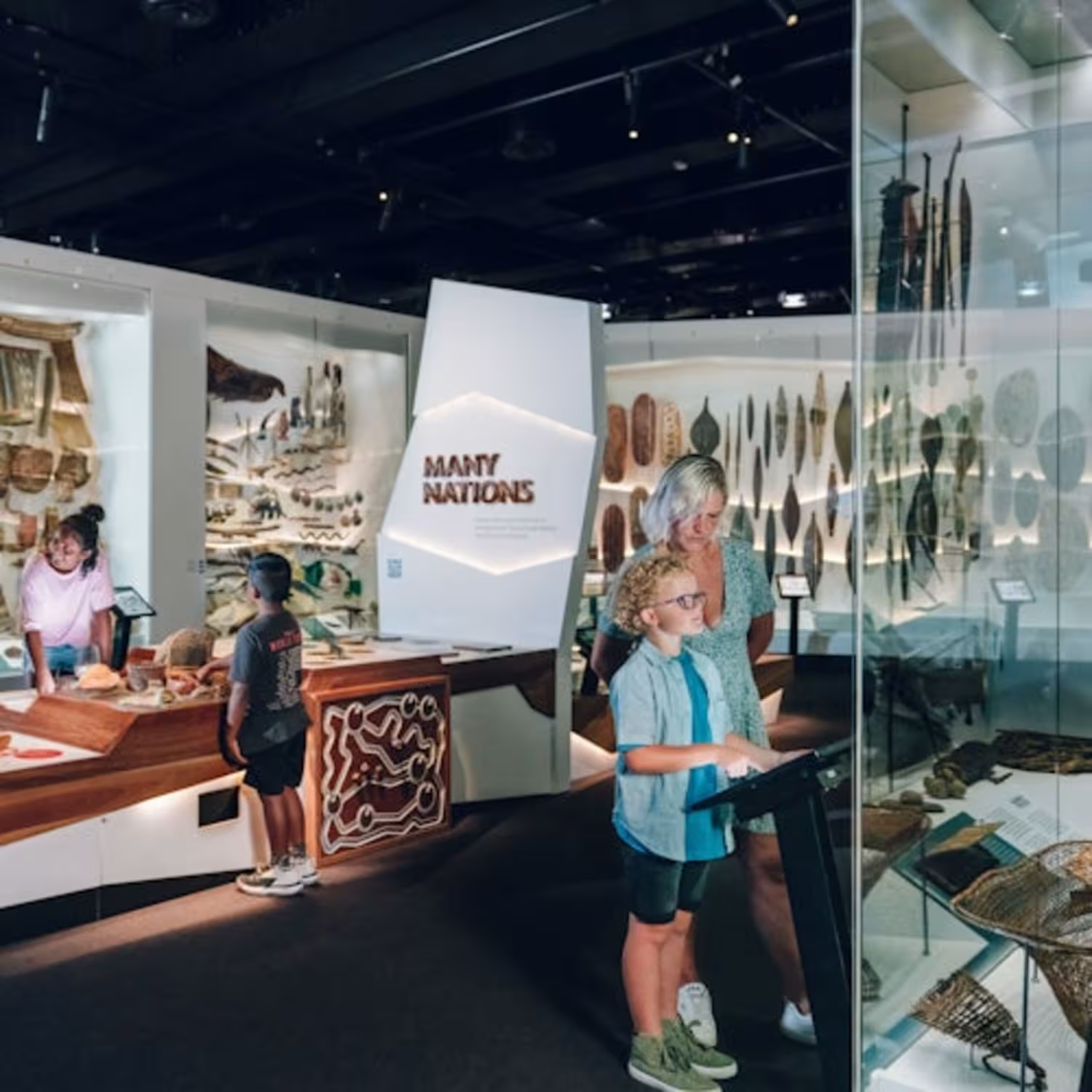
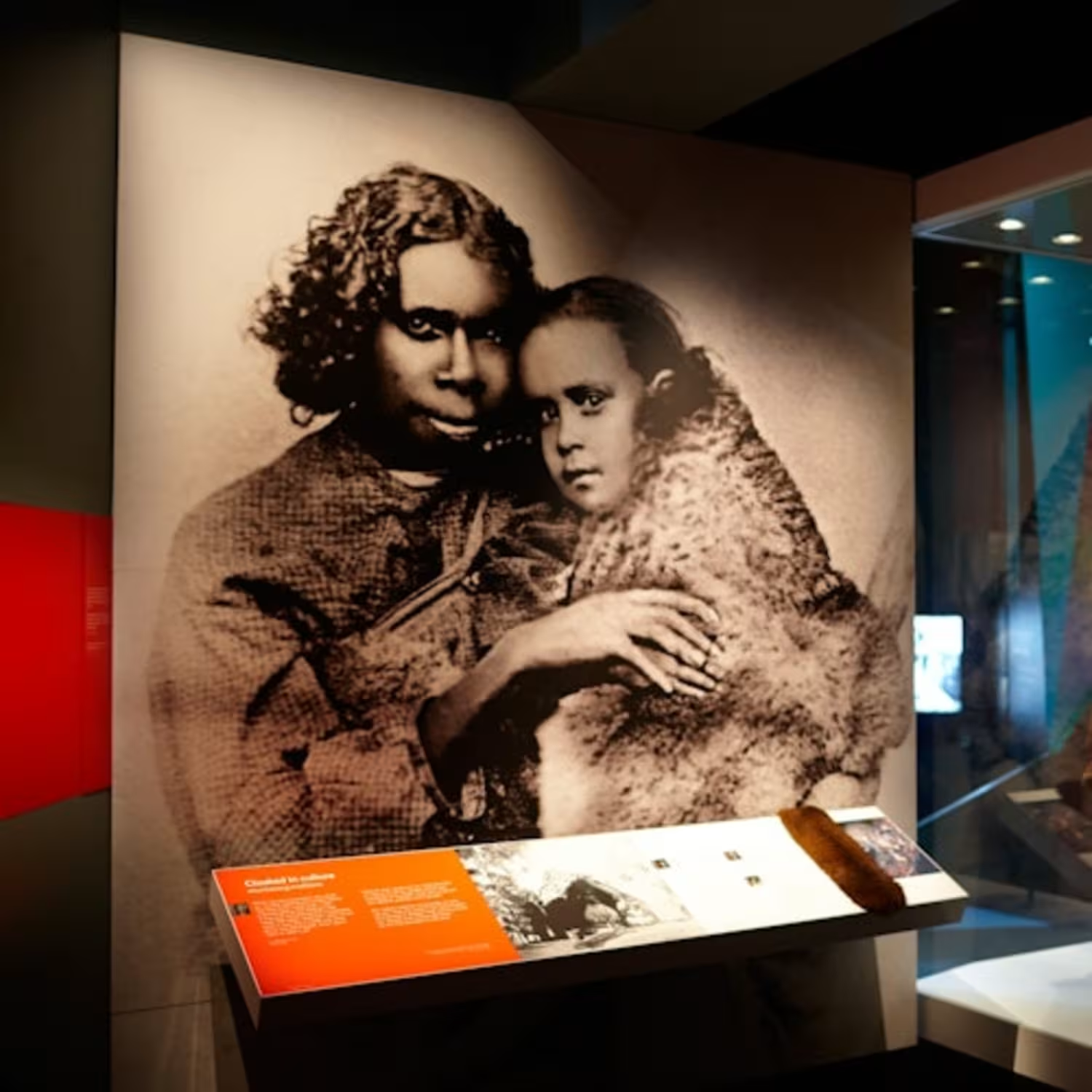
The First Peoples exhibition, inside the Bunjilaka Aboriginal Cultural Centre, celebrates the history, cultures, achievements and survival of the First Peoples of southeastern Australia. More than 600 cultural items are on display, you can listen to Victoria's 38 languages, and inside the nest of Bunjil the Creator you hear how he sang Country, Law and the Peoples of the eastern Kulin Nations into being.

Outside, the Milarri Garden grows plants of southeastern Australia with their names and uses in First Peoples' languages, and has an eel pond with a daily eel feeding presentation. A waterfall and cave lead on to the Forest Gallery, a living mountain forest in the middle of the museum. Native fish and spiny crayfish live in the creek, a Tawny Frogmouth perches overhead, and you can look for turtles and skinks; with luck, a Satin Bowerbird appears at its bower. Nearby, the Gandel Gondwana Garden shows the plants and animals of Victoria's distant past, with a QR-code puzzle game for families.

Melbourne Museum with young children

Pauline Gandel Children's Gallery: designed for babies up to five-year-olds, with a dinosaur dig, a discovery garden, a camouflage disco and a climbing net for children five and under with their carers.

Sessions: the gallery runs in free 50-minute timed sessions booked in addition to museum entry, one session per visit date; without a booked session, access is not guaranteed.

Best galleries for older children: 600 Million Years, the Quarantine Room in Bugs Alive!, Triceratops, the Gondwana Garden, the Forest Gallery and First Peoples, in that order, make up the museum's own route for primary school-aged children.

Who needs a ticket: under the museum's rules, children aged 16 and under, concession holders and members visit free. Check the age bands / ticket options shown when you book, as they tell you who needs a ticket.

Suggested routes

For adults: start upstairs in the Melbourne Story with Phar Lap, then First Peoples, the Milarri Garden, the Forest Gallery, the Research Institute Gallery and Triceratops. Allow about two and a half hours.

Dinosaur fans: combine Dinosaur Walk, Triceratops and 600 Million Years, then finish with the Gondwana Garden outside.

Short visit: with an hour, choose Dinosaur Walk, Phar Lap and the Forest Gallery.

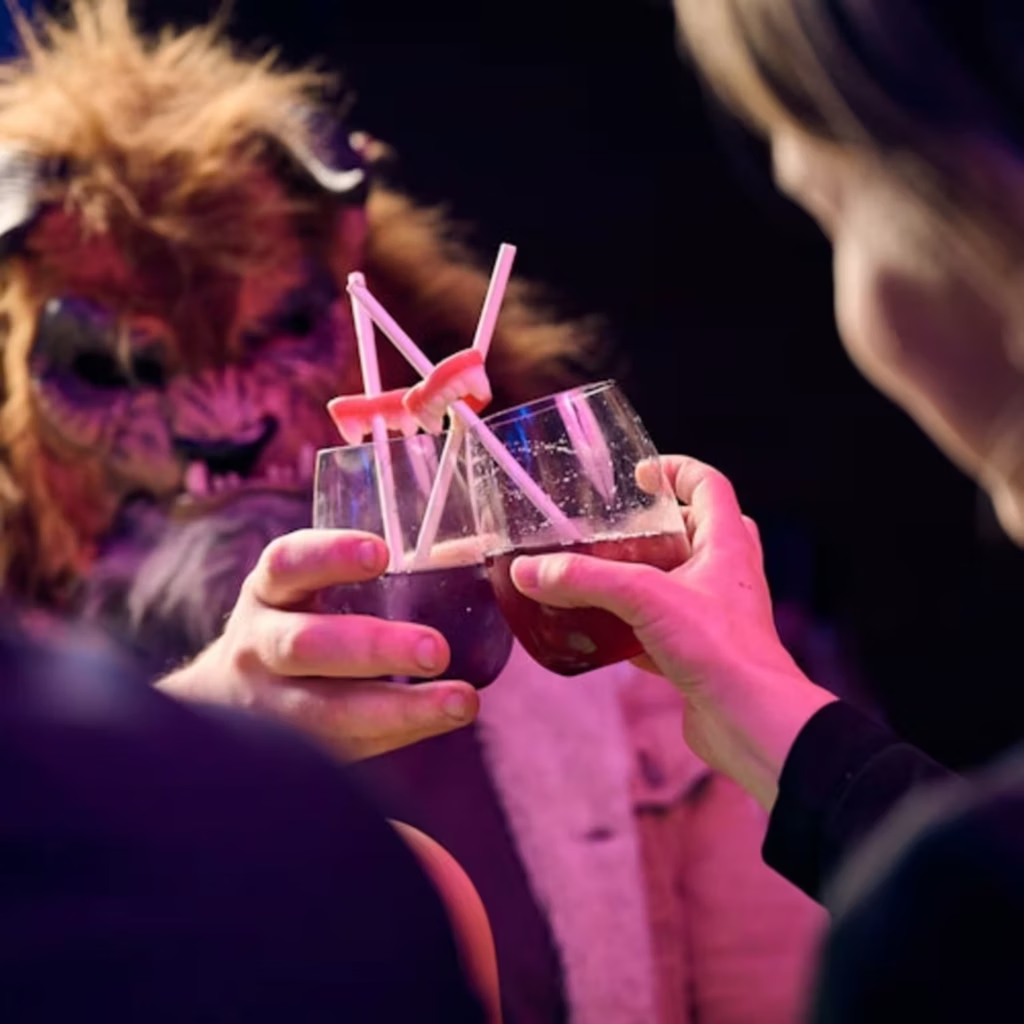
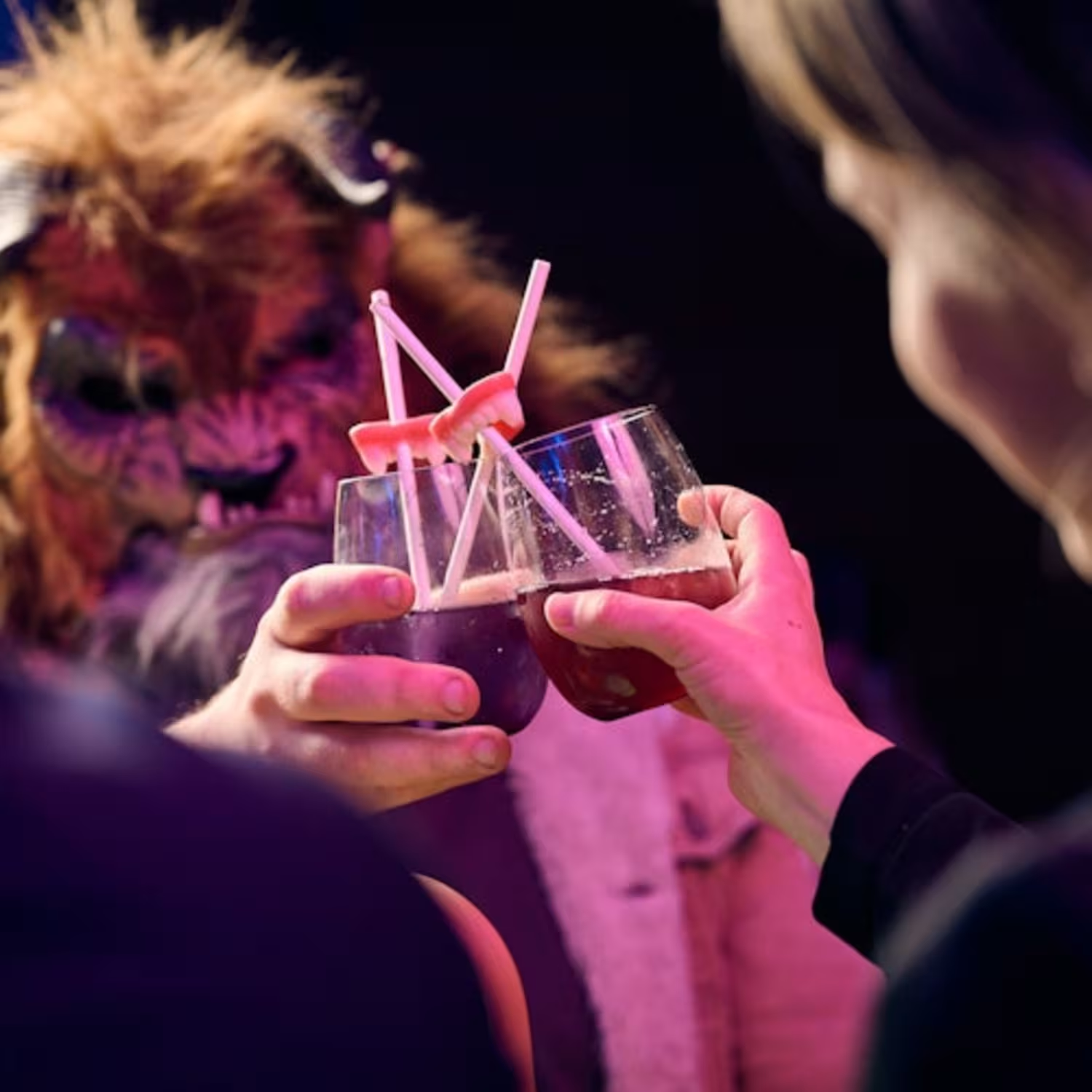
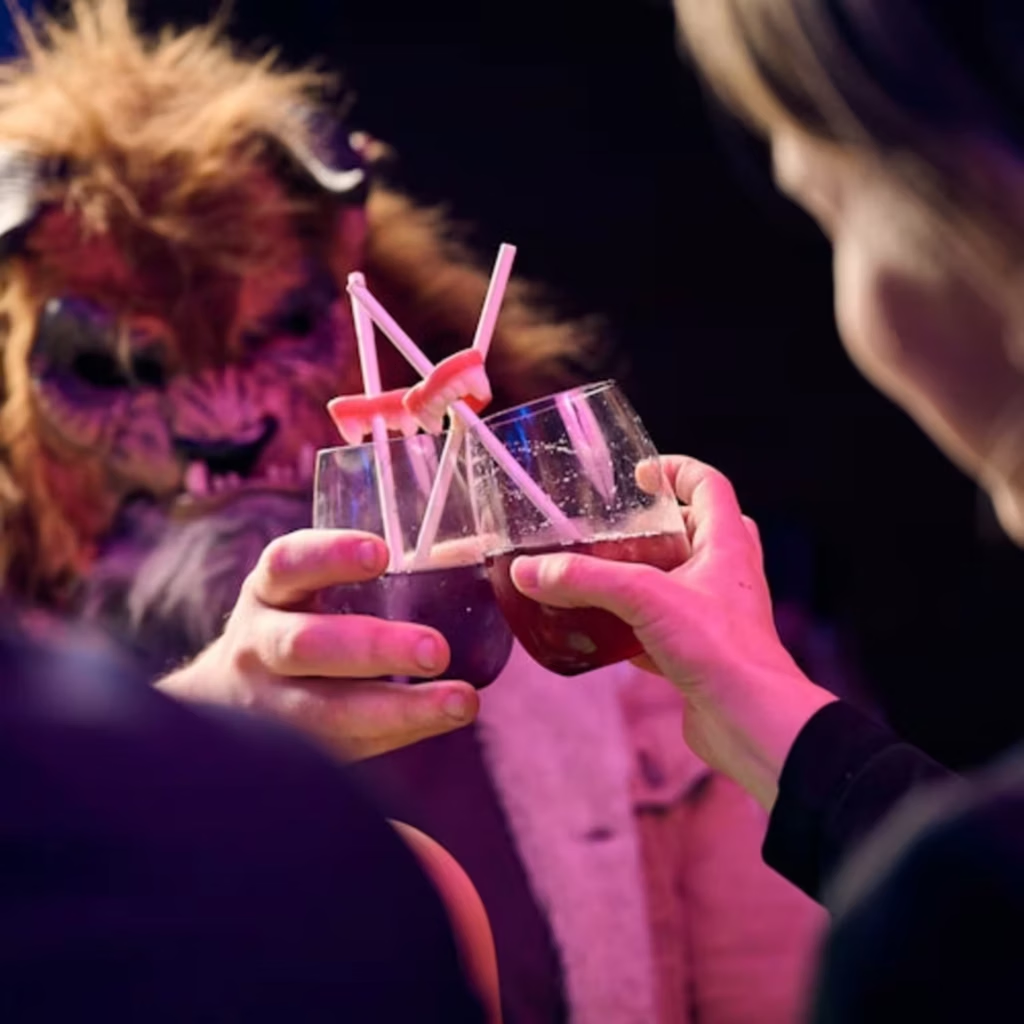
Evenings: on the first Thursday of the month, Nocturnal opens the museum from 6:00 PM to 9:30 PM.

IMAX: IMAX Melbourne sits on site beneath the museum and runs its own film schedule.

Combine it: add the Melbourne Zoo in Parkville or Scienceworks in Spotswood, or see more on our Melbourne museums page.

Plan your museum visit

Pick the galleries you want most and allow two to three hours to see them properly. Book your Melbourne Museum entry for the date that suits you, and check what's included and the time slots shown for your date when you book.

Melbourne Museum exhibitions: frequently asked questions

What are the main exhibitions at Melbourne Museum?

Dinosaur Walk, Triceratops: Fate of the Dinosaurs, Bugs Alive!, 600 Million Years, Dynamic Earth, the Melbourne Story with Phar Lap, First Peoples, the Forest Gallery and the Pauline Gandel Children's Gallery.

How many dinosaur skeletons are in Dinosaur Walk?

Dinosaur Walk displays the skeletons of 13 prehistoric animals, including a Mamenchisaurus you can walk beneath.

What is Horridus?

Horridus is one of the most complete Triceratops fossils ever found. It was discovered in Montana, USA, and is the most complete real dinosaur on display in Australia.

Is Phar Lap at Melbourne Museum?

Yes. Phar Lap is in the Melbourne Gallery upstairs, with his training saddle, shoes and tonic book.

How many races did Phar Lap win?

Phar Lap won 37 of his 51 races, including the 1930 Melbourne Cup.

Does Melbourne Museum have live animals?

Yes. Bugs Alive! has live insects and spiders, and the Forest Gallery has native fish, crayfish, birds, turtles and skinks.

Is the Children's Gallery included?

It runs in free 50-minute timed sessions that you book in addition to museum entry, one session per visit date.

How long do you need at Melbourne Museum?

The museum's suggested routes take about two and a half hours; allow longer to see every gallery.

Can you see Aboriginal culture at Melbourne Museum?

Yes. The First Peoples exhibition in the Bunjilaka Aboriginal Cultural Centre shows more than 600 cultural items, and the Milarri Garden is outside.

Is Melbourne Museum open in the evening?

On the first Thursday of the month, Nocturnal runs from 6:00 PM to 9:30 PM. On other days the museum opens 9:00 AM to 5:00 PM.

When is Melbourne Museum closed?

On Good Friday and Christmas Day.

About this guide

Sources: Museums Victoria, Melbourne Museum: Dinosaur Walk; Museums Victoria, Triceratops: Fate of the Dinosaurs; Museums Victoria, Bugs Alive!; Museums Victoria, Phar Lap; Museums Victoria, Plan a visit for adults and Plan a visit with older kids; Museums Victoria, Pauline Gandel Children's Gallery; Museums Victoria, Melbourne Museum visitor guide: Science and Life Gallery and Melbourne Gallery.