We are processing your request.
Please, don’t close or refresh the page.
Visitors at Melbourne Zoo

Melbourne Zoo Map: Every Area and Its Animals

Melbourne Zoo is laid out as seven habitat areas, from the bamboo trail of the Forest of Wonder to the beach and pier of Wild Sea. This guide walks you through each one, the animals you will find there, and where the play spaces, cafés and gates are.

Melbourne Zoo sits in Royal Park, a short tram ride north of the city centre, and packs a remarkable range of wildlife into a compact, walkable site. The zoo groups its animals into seven habitat areas: Forest of Wonder, Lion Gorge, the Main Trail, Growing Wild, Wild Sea, Gorilla Rainforest and the Australian Bush. Knowing what lives in each one makes it much easier to plan a day, especially with children or limited time. This guide follows the areas one by one, lists the animals you can expect to see, and adds the play spaces, food outlets and entrances that sit between them. For timings and practical advice, see the Melbourne Zoo visitor guide.

Melbourne Zoo: Entry Ticket

Highlights

Explore a wide variety of animal species from around the globe.

Enjoy daily presentations and keeper talks to learn more about the animals.

Walk through well-designed habitats including those of gorillas, lions and Australian wildlife.

Experience a family-friendly environment suitable for visitors of all ages.

Visit during regular opening hours from 9 AM to 5 PM daily.
Melbourne Zoo map: key facts

The zoo is divided into seven habitat areas, and all of them are part of general entry.

The zoo opens every day of the year from 9:00 AM to 5:00 PM; the habitat areas close at 4:30 PM.

There are two entrances: the Main Gate and the Rail Gate, across the road from Royal Park Station.

The Butterfly House in the Forest of Wonder holds more than 600 butterflies from around 13 tropical species, kept at about 27°C all year.

The zoo's World of Frogs is the only place in the world where you can see the Baw Baw Frog.

An interactive online map adds photos, videos, translation into several languages and a sensory overlay; a PDF version is also available.

Forest of Wonder: tigers, orangutans and the Butterfly House

Melbourne Zoo entry

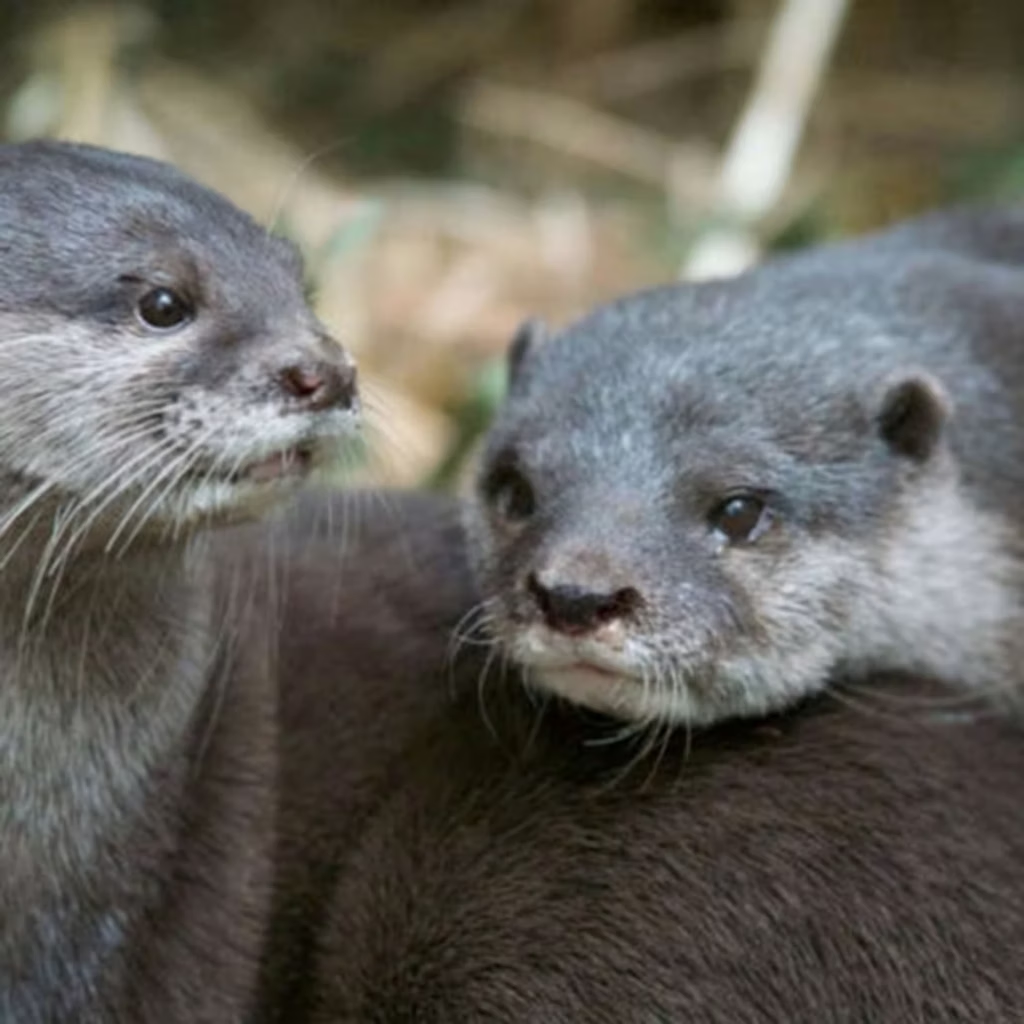
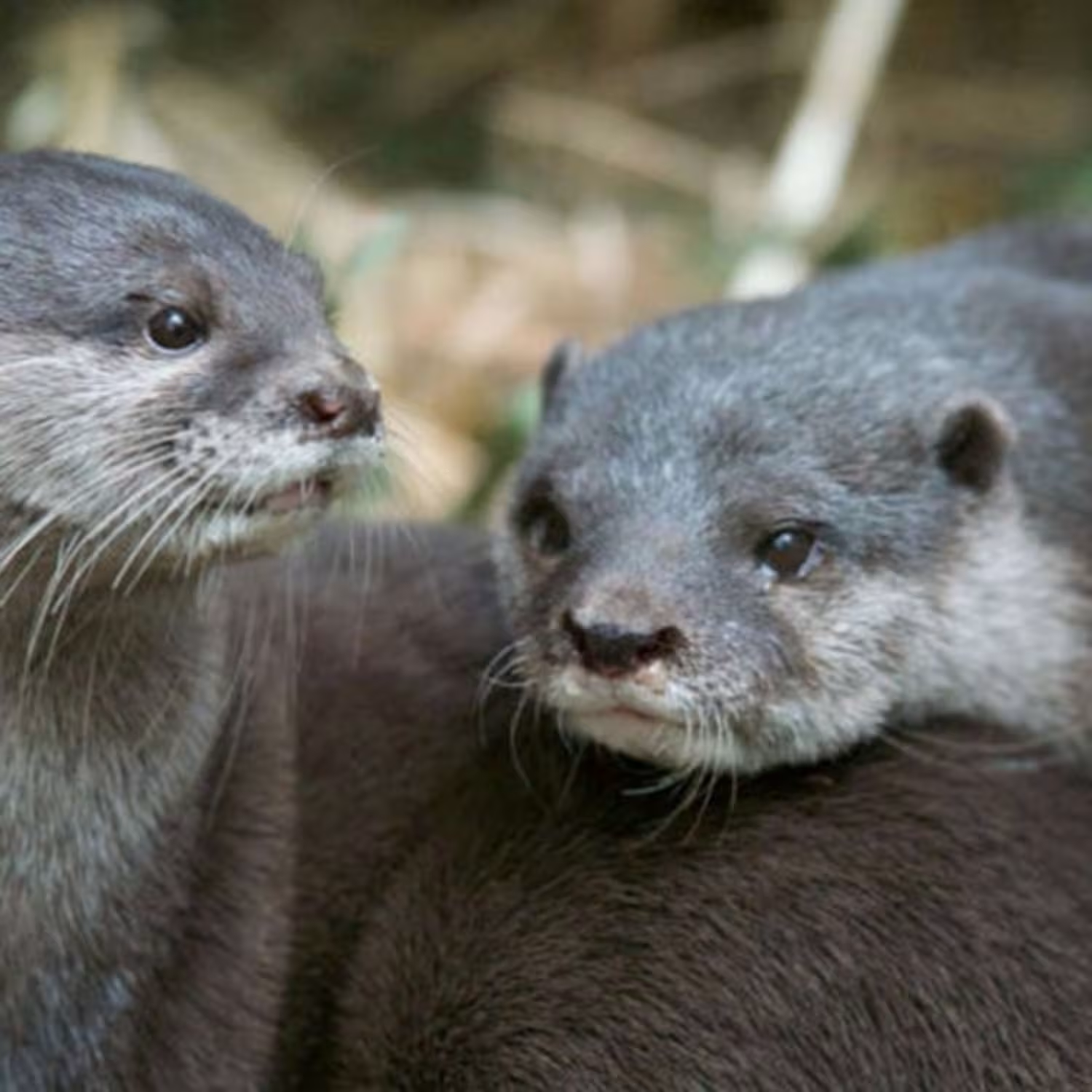
The Forest of Wonder is a walk through tall bamboo, and it brings together some of the zoo's best-known Asian rainforest animals. Look for the Sumatran Tiger, the smallest tiger and a Critically Endangered species, and the Sumatran Orangutans, which you can watch at eye level as the family moves through the trees. The Siamangs, the largest of the gibbons, live in the Japanese Garden; each pair has its own song, and you will often hear them before you see them. The Asian Small-clawed Otters, the smallest otter species, are here too.

The highlight for many visitors is the Butterfly House, a warm tropical glasshouse with more than 600 butterflies from about 13 species flying freely around you. It is kept at around 27°C with tropical humidity all year, so it makes a welcome stop on a cold Melbourne day. The elephants that once lived in this part of the zoo moved to Werribee Open Range Zoo in 2025.

Lion Gorge: the big cats and other carnivores

Tickets for Melbourne Zoo

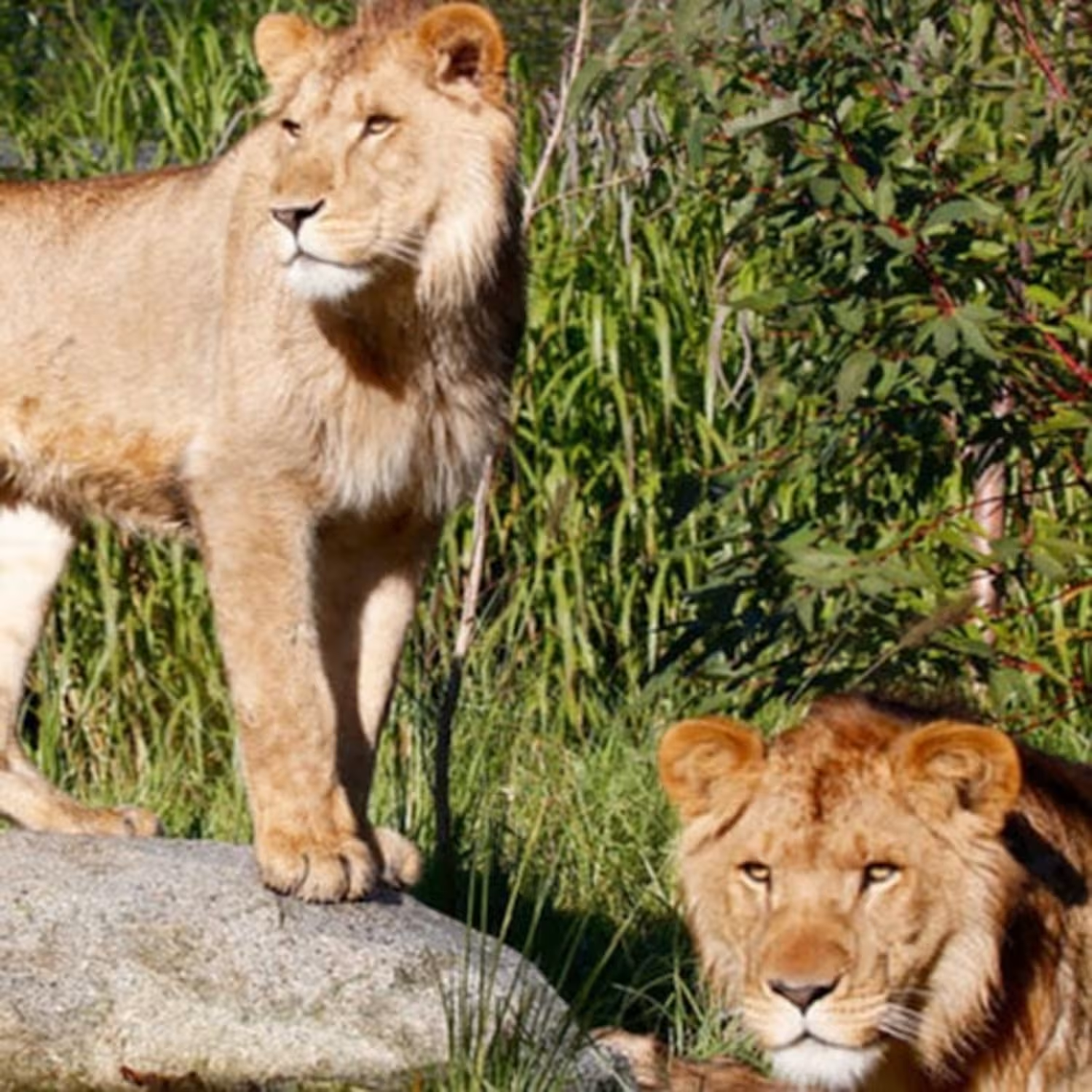
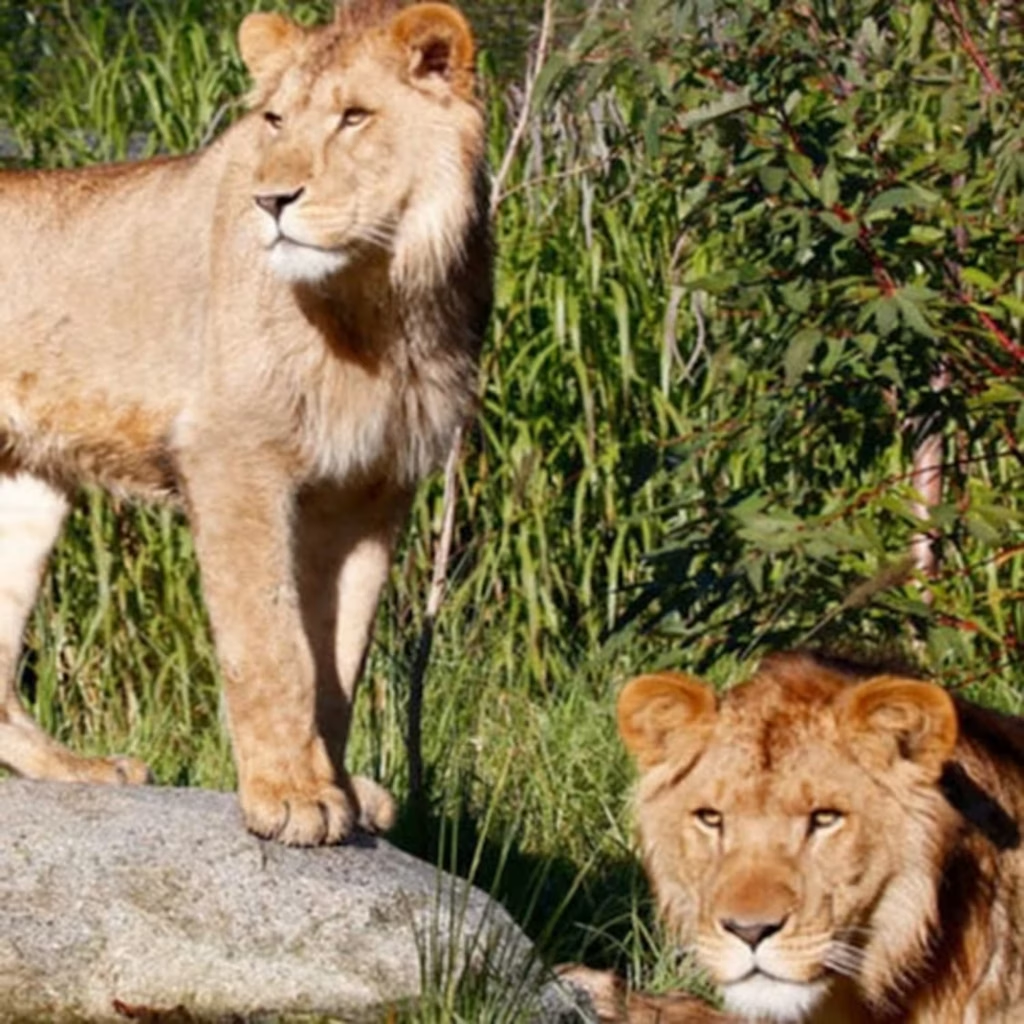
Lion Gorge is the zoo's carnivore area, reached from the main drive near the roundabout. Its residents include the African Lion, the Snow Leopard, the Tasmanian Devil, the Dingo and the Binturong, a tree-dwelling animal from Southeast Asia, along with the Reticulated Python.

Families should know that two of the zoo's play spaces sit inside Lion Gorge: Active Play, a playground whose water play features are switched off in winter, and the Binturong Tunnel, a climbing playground. They make a good break between the big-cat viewing points.

The Main Trail: giraffes, red pandas and the Komodo Dragon

Melbourne Zoo passes

The Main Trail runs through the heart of the zoo and links many of the individual exhibits. Along it you will find the Giraffes, which can grow taller than 5 metres, the Red Panda, the Hamadryas Baboons (the species has lived at the zoo since 1948), the Nyala antelope, the Collared Peccary, the South American Tapir and the Platypus, which is nocturnal and shy and rarely seen in the wild.

Two residents deserve a special stop. Kahn, the zoo's Komodo Dragon, was the first of his species bred in Australia; Komodo Dragons are the largest lizards in the world. The Aldabra Giant Tortoises are the oldest residents of the zoo and can weigh up to 250 kg. The trail also passes the Amazon Aviary with its macaws, the Reptile House and the World of Frogs, the centre of the zoo's frog conservation work.

Wild Sea: seals, penguins and an outdoor aquarium

Melbourne Zoo admission

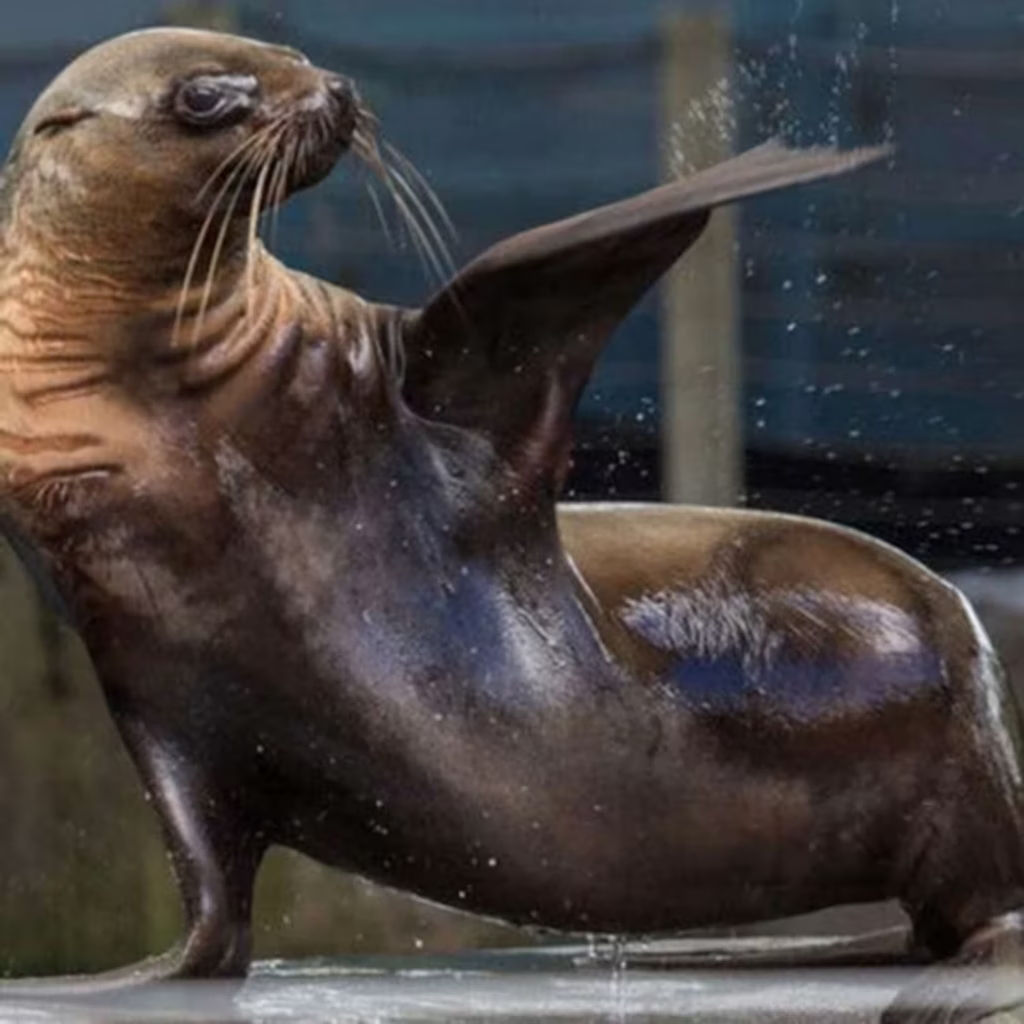
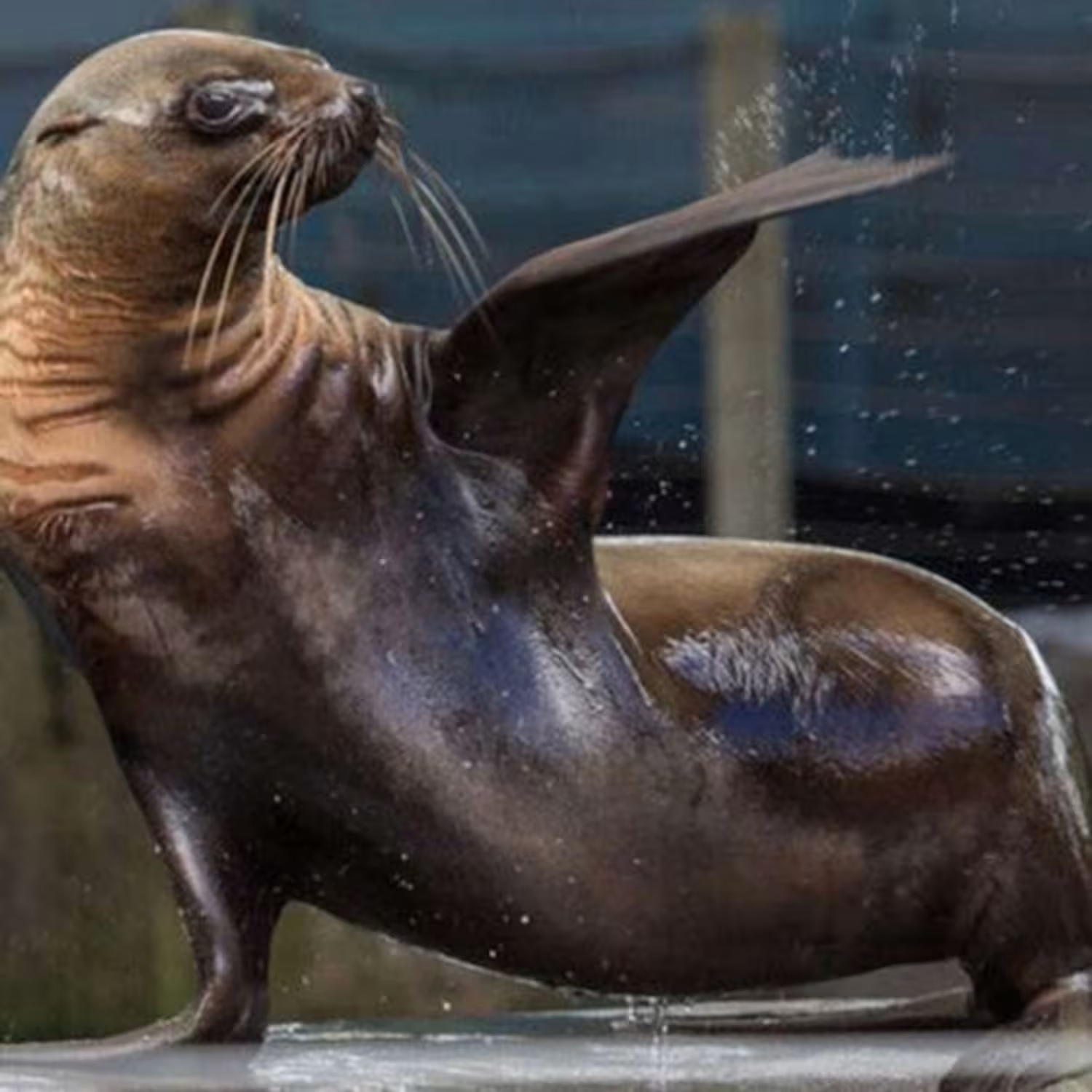
Wild Sea recreates Victoria's coast, with sand dunes, a pier and a beach area. It is home to Australian Fur Seals, the most common seal in Port Phillip Bay, and Long-nosed Fur Seals, fast swimmers and deep divers. Little Penguins, Victoria's native penguin and the smallest penguin species in the world, live here too.

The Outdoor Aquarium shows native marine life up close: seahorses, globefish, the Port Jackson Shark, the Southern Rock Lobster and the Eastern Fiddler Ray, plus a bloom of Moon Jellyfish. Younger children can climb on the seal statues at Wild Sea Beach Play before moving on.

Gorilla Rainforest: gorillas, lemurs and pygmy hippos

Visiting Melbourne Zoo

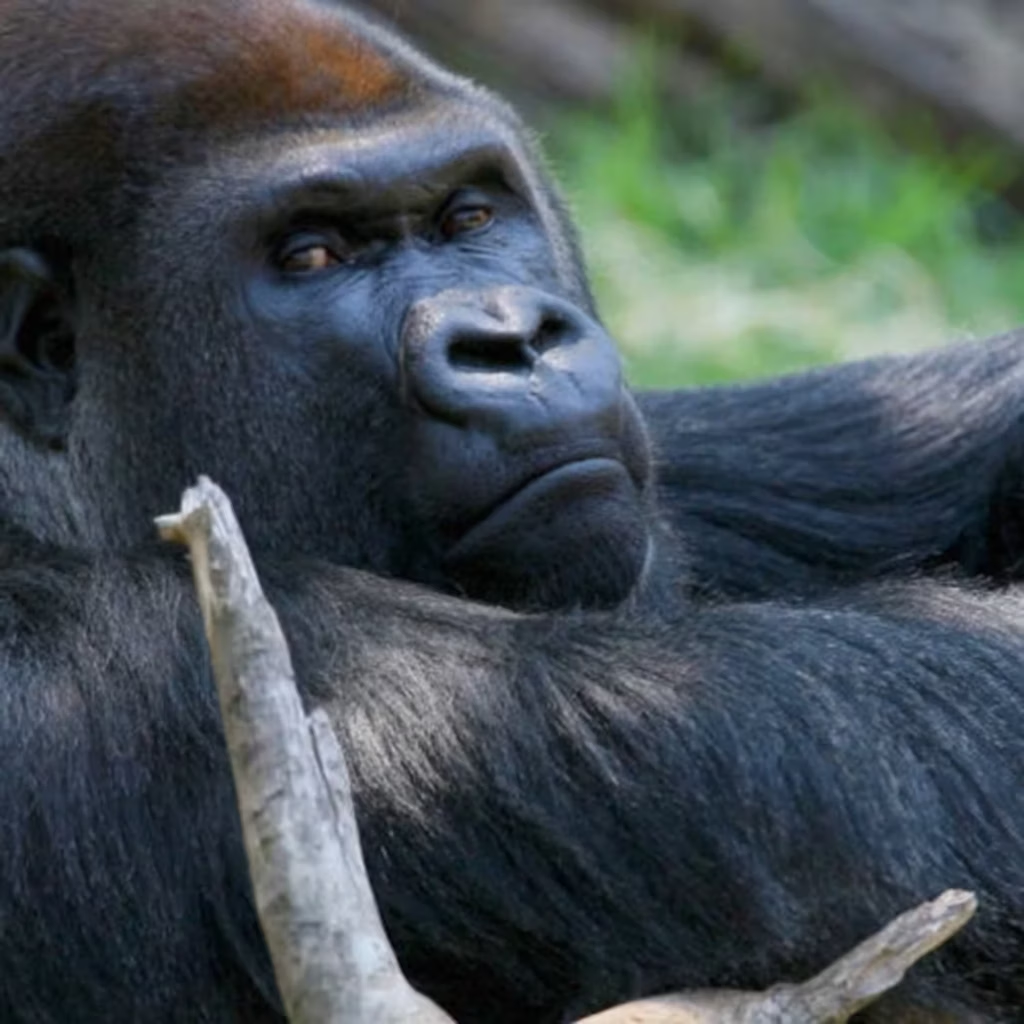
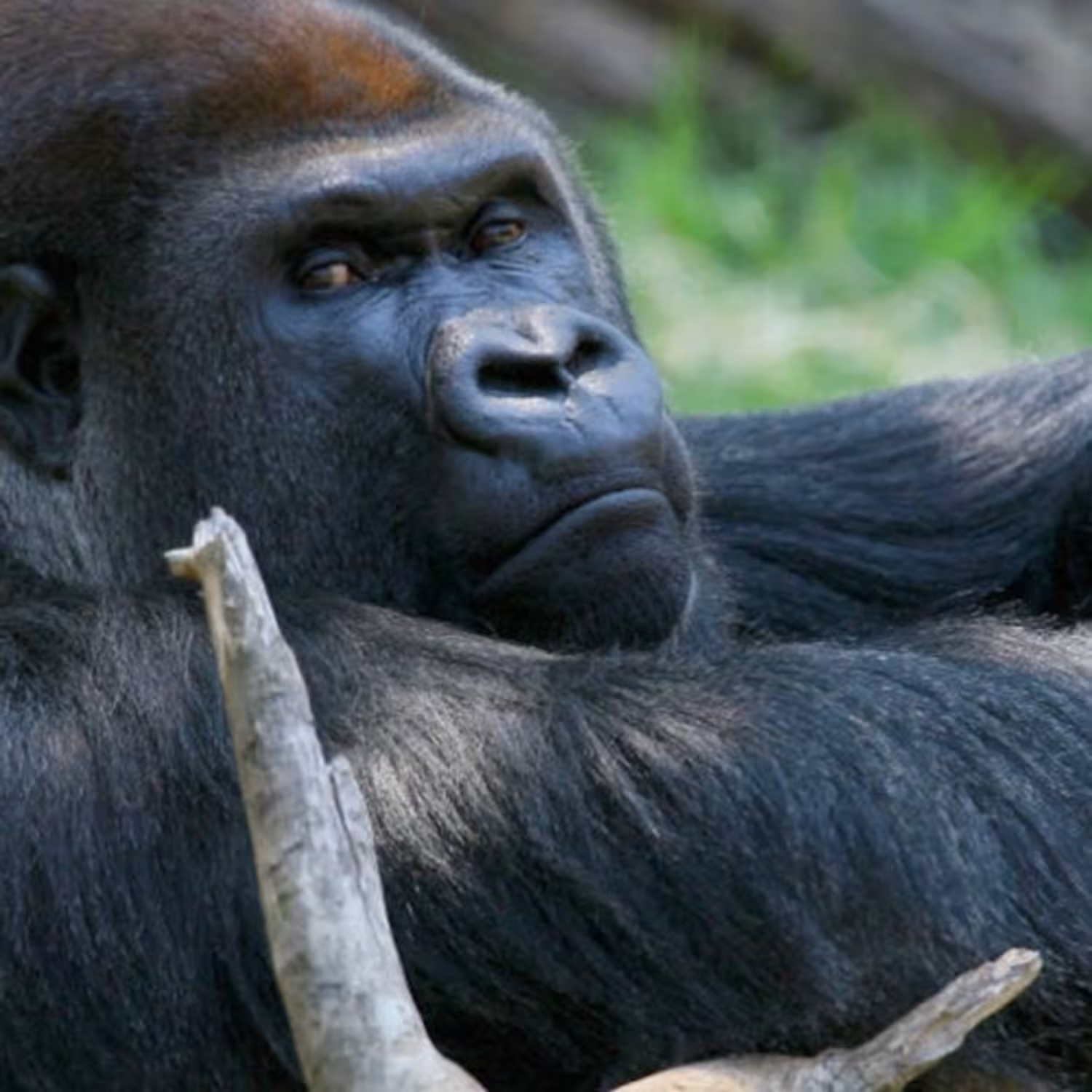
Gorilla Rainforest is themed on the jungles of Africa. Its best-known residents are the Western Lowland Gorillas, a Critically Endangered species, and the troop of Ring-tailed Lemurs, which you watch from an elevated boardwalk. Black-and-white Ruffed Lemurs share the area.

Keep walking for the Pygmy Hippopotamus, the White-cheeked Gibbon and the Black-handed Spider Monkey, part of the tree-top apes and monkeys section. Children can take a break at Gorilla Totem Play and Gorilla Phone Play, a bamboo forest trail inside the area.

Australian Bush and Growing Wild

Animals at Melbourne Zoo

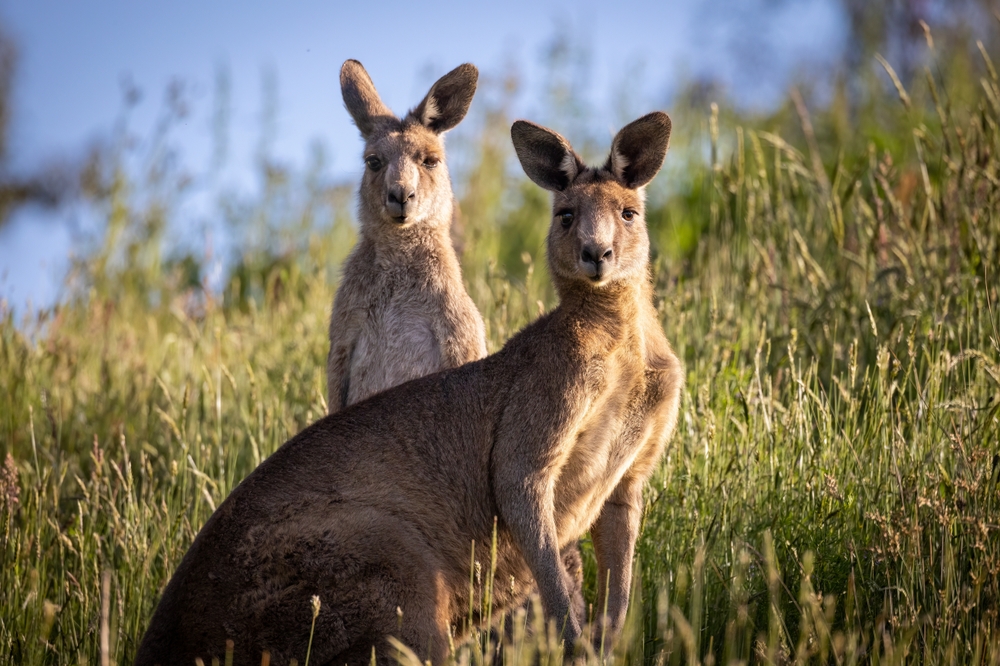
The Australian Bush is the place to see native wildlife: Koalas, Kangaroos from Kangaroo Island, the Southern Hairy-nosed Wombat, the Quokka, the Short-beaked Echidna, Swamp and Tammar Wallabies, and the Emu. Birds include the Southern Cassowary, the Red-tailed Black Cockatoo, the Rainbow Lorikeet and the Jabiru. Near its entrance, Bush Explorers Nature Play lets children build nests and cook in a mud kitchen, and the Loo's Yourself Maze sits inside the area.

Growing Wild is an interactive area designed for children aged three to eight, with animals, sculptures, tunnels and sounds. It is home to the Slender-tailed Meerkats and the Aldabra Giant Tortoises. Meerkat Tunnel Play and Giant Tortoise Sand Play are right beside them.

Play spaces around the zoo

Keeper Kids: an indoor space next to the Meerkat Café for ages 0 to 8, with educator-led activities such as storytime on weekdays during school term.

Dragon Disco: an indoor dance floor with lights, next to the Reptile House.

Carousel Park Play: a sandpit, monkey bars and slide opposite the Forest of Wonder; the carousel runs on weekends.

Active Play and the Binturong Tunnel: playground and climbing structures inside Lion Gorge.

Wild Sea Beach Play, Gorilla Totem Play and Bush Explorers Nature Play: themed play areas inside Wild Sea, Gorilla Rainforest and the Australian Bush.

Food, facilities and entrances

Where to eat: the Lakeside Café (a sit-down bistro), Meerkat Café, Giraffe Lookout Café, Macaw Takeaway, Sushi Sushi and an ice-cream outlet, plus drinking water points around the site.

Facilities: toilets, an accessible toilet, a Changing Places toilet, baby change, a parents' room, lockers and a phone charging station. For first aid, alert a staff member.

Entrances: the Main Gate and the Rail Gate, across the road from Royal Park Station on the Upfield line.

Getting there: tram route 58 stops right outside the zoo at Stop 26, and bus 505 stops at Melbourne Zoo/Poplar Road. Paid parking nearby is run by the City of Melbourne. See our Melbourne Zoo directions page.

Animal talks: free keeper talks run through the day and are included with zoo entry.

Tips for planning your route

Arrive early: the habitat areas close at 4:30 PM, so start with the animals you most want to see.

Use the online map: open the Layer Filters and select Sensory Awareness to see the sensory overlay, useful for visitors with sensory needs.

Pick a rainy-day plan: the Butterfly House, the Reptile House, Keeper Kids and Dragon Disco are all indoors.

Children: Zoos Victoria lets children visit free on weekends and school holidays under its own rules. Check the age bands / ticket options shown when you book, as they tell you who needs a ticket.

Combine it: pair the zoo with the Melbourne Museum in nearby Carlton, or find more ideas on our zoos and aquariums page.

Plan your day at the zoo

Give the zoo at least half a day if you want to see all seven areas without rushing. Book your Melbourne Zoo entry for the date that suits you, and check what's included and the time slots shown for your date when you book.

Melbourne Zoo map: frequently asked questions

How many areas does Melbourne Zoo have?

Seven habitat areas: Forest of Wonder, Lion Gorge, the Main Trail, Growing Wild, Wild Sea, Gorilla Rainforest and the Australian Bush.

Is there a map of Melbourne Zoo?

Yes. The zoo has an interactive online map with photos, videos, translation and a sensory overlay, and a downloadable PDF map.

Where is the Butterfly House at Melbourne Zoo?

In the Forest of Wonder. It holds more than 600 butterflies from around 13 tropical species and is kept at about 27°C all year.

Does Melbourne Zoo still have elephants?

No. The elephants moved to Werribee Open Range Zoo in 2025.

Where can I see koalas at Melbourne Zoo?

In the Australian Bush, alongside kangaroos, wombats, quokkas, echidnas, wallabies and emus.

Which animals live in Lion Gorge?

African lions, snow leopards, Tasmanian devils, dingoes, binturongs and a reticulated python.

Does Melbourne Zoo have penguins and seals?

Yes. Little penguins and Australian and long-nosed fur seals live in Wild Sea, next to an outdoor aquarium with sharks, rays and seahorses.

What time do the habitat areas close?

At 4:30 PM, half an hour before the zoo closes at 5:00 PM.

Are there playgrounds at Melbourne Zoo?

Yes. There are indoor and outdoor play spaces across the zoo, including Carousel Park Play, Active Play, Wild Sea Beach Play, Keeper Kids and Dragon Disco.

Which entrance is closest to the train station?

The Rail Gate, across the road from Royal Park Station on the Upfield line. Tram route 58 stops at Stop 26 right outside the zoo.

Are keeper talks included with entry?

Yes. The animal talks are free and included with zoo entry.

About this guide

Sources: Zoos Victoria, Melbourne Zoo; Zoos Victoria, Animals and habitats: Forest of Wonder, Lion Gorge, Main Trail, Growing Wild, Wild Sea, Gorilla Rainforest and Australian Bush; Zoos Victoria, Melbourne Zoo map; Zoos Victoria, Play spaces; Zoos Victoria, Getting here; Euronews, Elephant herd relocated to new home (13 February 2025).